
You want to sell online in Vietnam. But you are stuck on one question: what do you actually sell?
That question matters more than your platform choice or your marketing budget. Pick the wrong niche and no amount of effort saves it. Pick the right one, and your first Shopee listing could sell within days.
This guide covers five niche categories that consistently work for first-time Vietnamese sellers, plus a simple test to validate any idea before you spend a single dong on stock.

What Makes a Good Niche for Ecommerce in Vietnam?
A good niche for your first Vietnam online store is a product category with steady buyer demand, sourcing you can actually manage as a beginner, and margins that survive platform fees and shipping. It does not need to be original. It needs to be specific enough to attract search traffic and simple enough to fulfil without a warehouse.
Run any idea through four tests before you commit:
- Demand already exists. Buyers are searching for and purchasing this today. You do not want to build the market from scratch.
- You can source it without a huge minimum order. Local wholesale markets like Binh Tay in Ho Chi Minh City and Dong Xuan in Hanoi, plus supplier platforms like 1688.com, cover most beginner categories.
- Shipping stays simple. Fragile, oversized, or temperature-sensitive items add cost and damage risk. Keep your first category easy to pack and post.
- Margins cover your real costs. Marketplaces charge a commission on every sale, on top of shipping and packaging. Check the current fee schedule in Shopee’s Seller Centre before you price anything, so your margin is real and not just theoretical.
The fastest demand check costs nothing: search your product idea on Shopee VN and Lazada VN. If the top listings show several active sellers with recent reviews, buyers are already in that market and you are not the one introducing the category. For broader context on how Vietnamese ecommerce is evolving, VECOM, the Vietnam E-commerce Association, publishes yearly reports on seller and buyer trends.
Niche Comparison at a Glance
| Niche | Typical Starting Capital | Typical Margin | Beginner Difficulty |
|---|---|---|---|
| Beauty and personal care | ₫2,000,000 - ₫5,000,000 | 30-50% | Low |
| Mother and baby products | ₫2,000,000 - ₫6,000,000 | 25-40% | Medium |
| Home and kitchen organization | ₫1,500,000 - ₫4,000,000 | 30-45% | Low |
| Fashion and phone accessories | ₫1,000,000 - ₫3,000,000 | 35-55% | Low |
| Print-on-demand (Vietnamese themes) | Under ₫500,000 | 15-30% | Medium |
Figures are typical ranges based on common beginner order sizes in each category, not guarantees. Your actual capital and margin depend on supplier, product, and platform fees.
Beauty and Personal Care
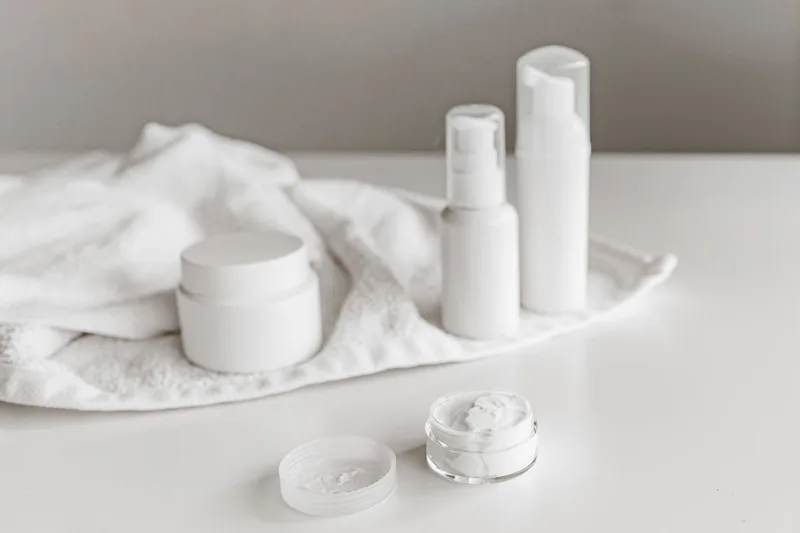
Beauty is one of the most reliable categories for Vietnamese sellers. Skincare routines influenced by Korean and Japanese trends are now standard among urban buyers, and repeat purchases keep revenue steady once you have a customer base.
Why this works for beginners:
- Products are lightweight and easy to ship through standard couriers like GHN or GHTK
- Repurchase rates are high because skincare runs out and buyers reorder
- Sourcing options include Vietnamese distributors and certified suppliers on 1688.com
- Buyers already trust the category on Shopee VN, so you are not educating a cold market
What to sell: Sheet masks, toners, sunscreen, and lip care are strong starting points, typically priced in the ₫150,000-400,000 range. Avoid launching with a full routine (cleanser, toner, serum, moisturizer, SPF) as your first order. Pick one or two hero products and learn what your buyers respond to before expanding.
Validation tip: Search a specific product like “kem chống nắng” (sunscreen) on Shopee VN and filter by newest sellers. If recently joined sellers are already collecting reviews, the category has room for a new entrant.
Mother and Baby Products
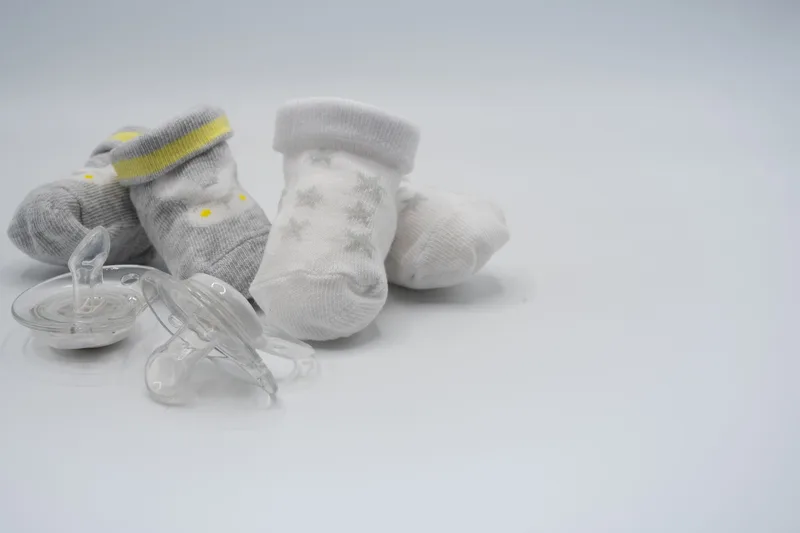
Vietnamese parents spend heavily on the first few years of a child’s life, and this category holds up even when broader consumer spending slows. Diapers, feeding supplies, baby clothing, and safety products all sell consistently across the country.
Why this works for beginners:
- Purchases repeat on a predictable schedule (diapers, formula, wipes)
- Parents research carefully but buy quickly once they trust a seller
- Strong niches within the niche exist: newborn essentials, toddler feeding, or baby travel gear
What to sell: Start narrow. Baby feeding accessories (bibs, silicone spoons, snack containers) or baby travel gear (car seat covers, portable changing pads) are easier for a first-time seller than diapers or formula, which face heavier price competition from large distributors. Typical entry price points sit in the ₫200,000-600,000 range.
One honest warning: Parents are unforgiving about safety and material quality in this category. Do not list a baby product without checking the supplier’s material safety documentation first. A single safety complaint spreads faster than in almost any other niche.
Ready to check if a niche actually pencils out? Run your numbers through our free profit margin calculator before you commit to a first order. 2 minutes. Free. No signup required.
Home and Kitchen Organization
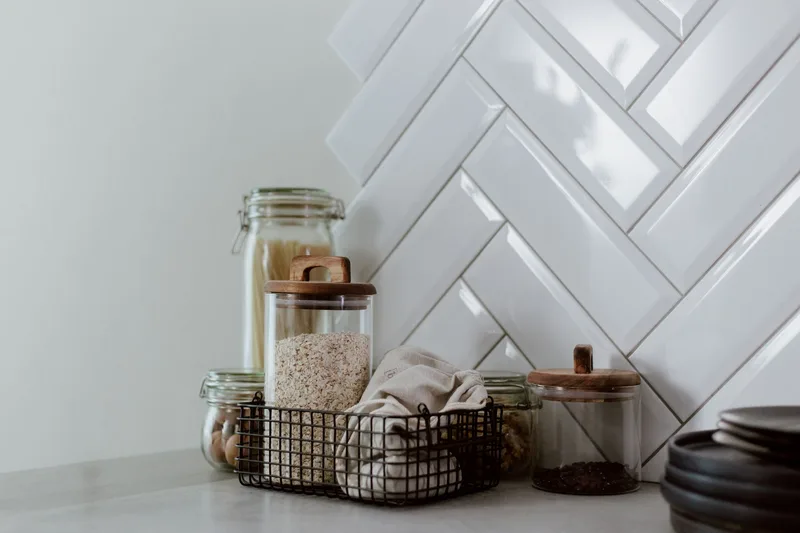
This category covers products Vietnamese buyers search for constantly: drawer organizers, storage containers, cable management, and small kitchen tools. Demand is need-driven rather than trend-driven, which makes it more stable than fashion or seasonal categories.
Why this works for beginners:
- Buyers know exactly what they want, which shortens the decision cycle
- Easy to source through 1688.com or local importers
- Low price points, typically ₫30,000-150,000, support high order volume even with a small ad budget
What to sell: Pick one sub-category first rather than a broad home goods store. Kitchen organization (drawer dividers, fridge containers, spice racks) is a reliable entry point because buyers searching “hộp đựng đồ bếp” already know what they need.
What to avoid: Items that require assembly, and products that look noticeably different in person than in listing photos. Both drive returns that are hard to recover from as a new seller with few reviews.
For sourcing tips that apply across every category here, see our full guide to product sourcing in Vietnam.
Fashion and Phone Accessories
Small, low-cost accessories are one of the easiest ways to place a first order without much capital. Phone cases, chargers, jewelry, and bag accessories all sell steadily on Shopee VN, Lazada VN, and TikTok Shop VN.
Why this works for beginners:
- Low unit cost, typically ₫50,000-250,000, keeps starting capital small
- Products are compact and cheap to ship
- TikTok Shop VN in particular rewards trend-aware sellers in this category with organic reach
What to sell: Phone accessories (cases, MagSafe-style attachments, cardholders) and simple jewelry (rings, bracelets, hair accessories) are practical starting points. Avoid chasing every micro-trend at once. Pick two or three product lines and learn what converts before expanding your catalog.
Validation tip: TikTok Shop VN’s best-seller lists update frequently and show you what is already moving. Cross-reference anything you see there with Shopee VN listings to confirm the demand is not a short-lived spike.

Print-on-Demand with Vietnamese Themes
Print-on-demand, or POD, is a model where products are made only after a customer orders. You design, your supplier prints and ships, and you pay for the product only after the buyer has already paid you.
Why this works for beginners:
- No upfront inventory investment and no storage to manage
- You can test unlimited designs with minimal financial risk
- Vietnamese cultural references, regional pride, and Tet-season designs perform well with local buyers
Practical trade-off to understand: A basic t-shirt from a Vietnamese POD supplier often costs ₫120,000-180,000 per unit, while a bulk order of 50 units can bring the per-unit cost down to ₫60,000-90,000. That gap is real. But zero inventory risk makes POD a useful way to test which designs resonate before you commit to bulk stock.
For a full breakdown of sourcing and supplier options for beginners, including dropshipping alternatives, read our dropshipping guide for Vietnam. If you decide you want more control than a marketplace store allows, our Haravan review for Vietnamese sellers covers what it costs to run your own store.
Frequently Asked Questions
What is the easiest niche to start selling online in Vietnam?
Beauty and personal care is one of the most accessible niches for first-time Vietnamese sellers. Demand is steady year-round, sourcing is straightforward through local distributors or 1688.com, and Shopee VN buyers already trust the category. Start with 3 to 5 products before expanding your range.
Do I need a business license to sell a specific niche in Vietnam?
Yes, for most niches. Under Decree 52/2013 on ecommerce, sellers must register a household business (ho kinh doanh) at their district People’s Committee. Some niches, such as food or cosmetics, carry extra requirements on top of that basic registration, so check category-specific rules before you list.
How much capital do I need to test a niche in Vietnam?
Testing a niche typically costs 1 to 5 million VND, depending on the category. Print-on-demand needs almost no upfront stock. Physical niches like beauty or home goods usually need a small first batch of 10 to 20 units to see whether real buyers respond before you order more.
How do I know if a niche has real demand in Vietnam?
Search your product idea on Shopee VN and Lazada VN. If top listings show multiple active sellers and recent reviews, buyers are already there. Cross-check with Google Trends Vietnam to see whether search interest is stable or rising over the past 12 months. Both checks take about 15 minutes.
You Know What to Sell. Here Is What Comes Next.
Picking your niche is the first real decision you make as an online seller in Vietnam. The next step is registering your business and getting your store live.
Start here: How to Start an Online Business in Vietnam
Free guide. No signup required.