

You can run a profitable ecommerce business in Singapore without touching a single product. No warehouse. No bulk orders. No upfront inventory costs. That is what dropshipping makes possible. This guide walks you through exactly how to start, from picking your niche to making your first sale, with every cost in SGD and every step specific to Singapore.

What is Dropshipping?
Dropshipping is a retail model where you sell products online without holding inventory. When a customer places an order in your store, you purchase the item from a supplier who ships it directly to your customer. You never handle the product. You handle the marketing, customer service, and the front end of the sale.
Your profit is the difference between what your customer pays and what you pay your supplier, minus platform fees.
Here is how a typical cycle works for a Singapore seller:
- A customer finds your Shopee listing and buys a cable organiser for SGD 16.
- You receive the payment.
- You purchase the same item from your AliExpress supplier for SGD 3.50, entering your customer’s delivery address.
- The supplier ships directly to your customer.
- You keep the difference, minus Shopee’s commission (typically 1 to 5%) and payment fees.
This model removes the biggest barrier for most new sellers: upfront inventory risk. You do not order 200 units of something hoping it sells. You list it, and only buy when someone orders.
How to Choose What to Dropship in Singapore
The most common beginner mistake is picking products based on personal interest rather than what Singapore buyers actually purchase online.

Here is what to evaluate before committing to a product category:
Lightweight and compact. Shipping costs are calculated by weight. Products under 500g ship from China at a fraction of the cost of heavier items. Starting with lightweight products keeps your margins healthy.
Not stocked in every major retailer. If a product fills the shelves at FairPrice or Guardian, buyers will not order it from an unfamiliar online store. Look for items that are easy to find online but not at every shopping mall.
Proven search demand. Before picking a niche, open Shopee SG and search for the product category. Hundreds of listings with hundreds of reviews means demand is proven. Fewer than 10 listings suggests the market may be too small.
Enough margin to survive fees. Your selling price should be at least 2 to 3 times your supplier cost, after accounting for platform commissions, payment processing, and shipping. If a product costs SGD 5 and you can only sell it for SGD 7, the margin will not cover your fees.
Product categories that consistently perform well for Singapore dropshippers based on Shopee SG bestseller data: phone and laptop accessories, home organisation items, pet supplies, fitness tools, skincare devices, and desk stationery. These share the same traits: lightweight, clear online demand, and room for healthy margins.
Where to Find Dropshipping Suppliers
Your supplier choice affects your delivery times and product quality more than any other decision. Singapore customers have high expectations, and many are used to fast delivery from Shopee SG Warehouse and Lazada Express.
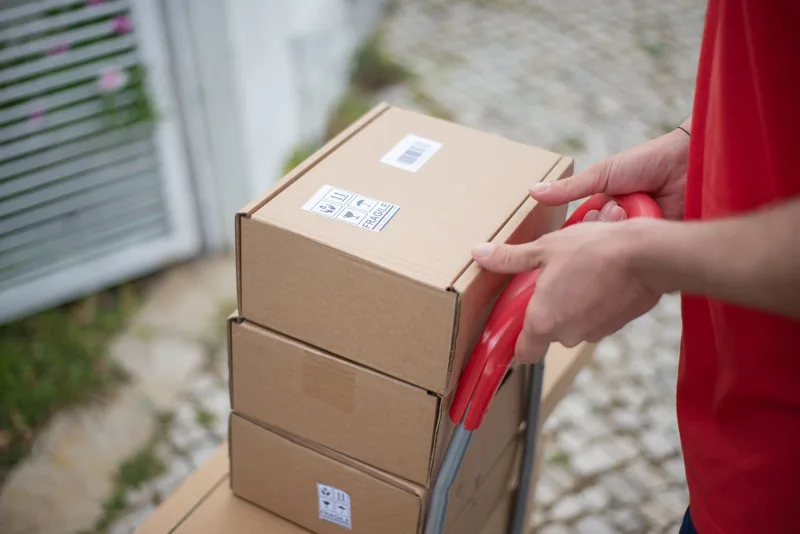
Here are your main options:
AliExpress is the most beginner-friendly starting point. No minimum order quantities, millions of products, and built-in buyer protection. The main limitation is delivery time: AliExpress Standard Shipping to Singapore typically takes 12 to 20 days. If you source from AliExpress, always state estimated delivery windows clearly on every listing before a customer buys.
Alibaba is better suited for scaling. Suppliers typically require minimum orders of 50 to 200 units, but prices are significantly lower and you can negotiate custom packaging. Alibaba is not ideal for pure dropshipping due to these minimums, but works well as a hybrid approach once you have validated sellers for your best-performing products.
Taobao and 1688.com offer factory-level pricing on China’s domestic platforms. Both require navigating Chinese-language interfaces and usually need a buying agent or consolidator like Ezbuy to handle logistics to Singapore. Once you know what sells, sourcing here reduces product costs considerably compared to AliExpress.
Local Singapore or Malaysia-based suppliers solve the speed problem entirely. Wholesale listings on Shopee SG and Carousell Business offer products with 1 to 3 day delivery. Margins are tighter than sourcing from China, but faster delivery leads to better buyer reviews and fewer disputes.
Here is a practical comparison before you decide:
| Supplier Source | Delivery to Singapore | Min. Order | Price Level | Best For |
|---|---|---|---|---|
| AliExpress | 12 to 20 days | 1 unit | Low | Testing products, starting out |
| Alibaba | 5 to 10 days (air freight) | 50 to 200 units | Very low | Scaling proven products |
| Taobao / 1688 via agent | 12 to 21 days | 1 to 10 units | Very low | Cost-focused sourcing |
| Local SG / MY supplier | 1 to 3 days | 1 unit | Medium | Speed and quality assurance |
Before listing any product, order a sample. A SGD 10 to 20 sample tells you the real quality, packaging, and actual delivery time to your address. This step alone prevents most beginner disasters.
Shopee SG or Your Own Store: Which Platform Should You Choose?
Two clear paths exist for Singapore dropshippers: selling on a marketplace (Shopee SG or Lazada SG) or building your own store (Shopify or WooCommerce).
Shopee SG is the fastest route to your first sale. The platform has millions of active Singapore shoppers, built-in payment processing via ShopeePay and PayNow, and free listing creation. You do not need a website or ad budget to get started. The trade-off is competition: buyers searching for “cable organiser” see your listing alongside dozens of competitors. Commission fees typically range from 1 to 5% of the sale price depending on your seller tier, plus a payment processing fee.
Your own Shopify store gives you brand control and higher perceived value. You keep more margin per sale since you are not paying marketplace commissions. The challenge is traffic: you are responsible for bringing buyers to your store, which usually means investing in paid advertising or building SEO over time. Shopify’s Basic plan is currently SGD 27 per month per Shopify’s Singapore pricing page.
For most beginners in Singapore, the right order is: start on Shopee SG first, validate that your products sell and your supplier delivers reliably, then build your own store once you have proof of consistent demand. Read our comparison of the best ecommerce platforms for Singapore sellers for a detailed cost and feature breakdown before you decide.
How to Set Up Your Dropshipping Store

Starting on Shopee SG:
- Go to seller.shopee.sg and create a free seller account. You need a Singapore phone number and a local bank account for payouts.
- Set up your shop profile. Choose a name related to your niche. Upload a clear logo and write a short shop description.
- Create your first listings. Use your supplier’s product photos as a starting point, but write all descriptions in your own words. Include keywords your buyers would search for on Shopee SG.
- Set your price. Use this formula: supplier cost plus estimated fees (budget 10 to 15% for Shopee commissions and payment fees) plus your profit margin. Aim for at least 40% gross margin before fees.
- State your delivery time. For AliExpress sourcing, be honest: something like “estimated 12 to 20 working days, shipped from overseas supplier.” Buyers who are surprised by delays leave negative reviews.
Starting on Shopify:
- Sign up at shopify.com. The 3-day free trial lets you build everything before any payment is required.
- Choose a theme. Dawn (free) is clean, mobile-optimised, and loads quickly, which matters for Singapore shoppers browsing on their phones.
- Write original product descriptions. Do not copy from your supplier’s listing.
- Set up payments. For Singapore, Stripe accepts credit cards and PayNow. PayPal is worth enabling for international buyers.
- Connect a dropshipping app. DSers (free to start) links your Shopify store to AliExpress and automates order forwarding when someone purchases.
Business Registration in Singapore
Dropshipping is completely legal in Singapore. The question is when to register your business, not whether to.

You are technically required to register once you operate with the intent to make profit. In practice, many sellers start on Shopee without formal registration and register once their business gains traction. The key triggers to register are: approaching SGD 100,000 in annual revenue, opening a business bank account, or wanting to present professionally to suppliers.
How to register: Visit BizFile+, ACRA’s official registration portal. A sole proprietorship costs SGD 115 per year for Singapore citizens and permanent residents. For foreigners, the total is SGD 315 (SGD 15 name application fee plus SGD 300 annual registration fee). Most registrations are approved within minutes for straightforward business activities.
GST obligations: GST registration only becomes mandatory once your annual revenue exceeds SGD 1 million. For importing products, note that Singapore Customs applies 9% GST on shipments with a total value above SGD 400. For individual AliExpress orders under this threshold, no GST is collected at import.
Consumer protection: Singapore’s Consumer Protection (Fair Trading) Act gives buyers the right to seek redress for products that do not match their described condition. Keep your product descriptions accurate and have a clear returns policy from day one.
Common Mistakes New Dropshippers Make in Singapore
Underestimating how much shipping speed matters. Singapore buyers are accustomed to fast delivery from local warehouses. A 15 to 20 day delivery window from China will result in disputes and poor reviews if you do not set expectations upfront. Use local suppliers for your first products, or at minimum display realistic delivery timelines prominently on every listing.
Skipping the sample order. Supplier photos look polished. The real product arrives dented, poorly packaged, or a different shade entirely. Order a sample of every product before listing it. SGD 15 for a sample is cheap protection against a wave of refund requests.
Pricing without accounting for all fees. A product costs SGD 4 from your supplier. You list it at SGD 12. That looks like SGD 8 profit. Then Shopee takes 3% commission (SGD 0.36), a payment processing fee (SGD 0.60), and you spend SGD 1 on packaging. Your real profit is closer to SGD 6. Calculate your full landed cost before setting prices, not after.
Listing products in too many unrelated categories. A store that sells phone cases, protein powder, and garden tools sends a confusing signal to both the Shopee algorithm and buyers. Pick one category, build your store’s reputation in that space, and expand later once you have consistent sales and positive reviews.
Frequently Asked Questions
Is dropshipping legal in Singapore?
Yes, dropshipping is completely legal in Singapore. You are acting as a retailer who takes orders, then purchases from a supplier who ships directly to your customer. You remain responsible for product quality, customer service, and honouring returns. Register your business with ACRA via BizFile+ once your annual revenue approaches SGD 100,000 or earlier if you want to operate professionally.
How much does it cost to start dropshipping in Singapore?
Starting on Shopee SG is free. A Shopify Basic plan costs SGD 27 per month per Shopify’s pricing page. Add SGD 50 to 200 for product samples and SGD 0 to 100 per month for initial marketing. Most beginners spend between SGD 100 and SGD 500 in their first month, with the majority going toward testing products rather than building infrastructure.
What are the best products to dropship in Singapore?
Products that perform well are lightweight (under 500g), not sold in every major local retailer, and have clear search demand on Shopee SG. Strong categories include phone accessories, home organisation items, pet supplies, fitness tools, and skincare devices. Validate any product by checking Shopee SG trending tabs and Lazada bestseller lists before committing to a niche.
Can I dropship from AliExpress to Singapore customers?
Yes, AliExpress is one of the most popular dropshipping sources for Singapore sellers. AliExpress Standard Shipping typically delivers in 12 to 20 days. State your delivery timelines clearly on every listing before a customer buys. Singapore has no customs duty on most consumer goods, but 9% GST applies to shipments above SGD 400 in total value per Singapore Customs guidelines.
You Just Took the Most Important Step
Most aspiring dropshippers spend weeks reading and never start. You now have the full picture: how to pick a niche, find a supplier, choose a platform, and handle the legal side in Singapore.
The next step is simple. Pick one product category. Order one sample. Create one listing. Your first sale will teach you more than any guide ever can.
When you are ready to go deeper on the supplier side, our product sourcing guide for Singapore ecommerce sellers covers wholesale directories, Alibaba ordering, and how to evaluate supplier reliability in detail.
Keep Reading
- Product Sourcing for Ecommerce in Singapore – wholesale suppliers, Alibaba sourcing, and evaluating supplier reliability
- How to Start an Online Business in Singapore – ACRA registration, platform setup, and your first sale step by step
- Best Ecommerce Platform for Singapore Sellers – Shopify, Shopee, EasyStore, and WooCommerce compared with real SGD pricing