
Dropshipping means you never touch the product. Your supplier does.
You list it, a customer buys it, and your supplier ships it straight to their door. No stockroom, no upfront inventory, no boxes piling up in your spare room. For first-time Filipino sellers with limited capital, that is the entire appeal.

It is also easy to get wrong in ways that cost you reviews, not just money. This guide walks through choosing a model, finding suppliers you can trust, picking a platform, and pricing so you actually keep a profit.
What You’ll Need
Gather these before you list your first product:
- A smartphone or laptop with a stable internet connection
- A Shopee, Lazada, or TikTok Shop seller account (free to create)
- A shortlist of 2-3 potential suppliers for your chosen niche
- A GCash account or Philippine bank account to receive payouts
- A notebook or spreadsheet to track orders and margins per item
Optional, but worth deciding before you launch:
- DTI business name registration (needed once you earn regularly, not on day one)
- A dedicated business email and phone number separate from your personal ones
Step 1: Choose Your Dropshipping Model
Not all dropshipping in the Philippines looks the same. Pick one of two starting models before you touch a product listing.
International model. You source from suppliers abroad, usually through AliExpress or CJdropshipping, who ship orders directly to your Filipino customers from overseas warehouses. Lower product cost, far more product variety, but longer shipping and less quality control before the item reaches the buyer.
Local model. You partner with a Philippine-based supplier or wholesaler, often sourced from Divisoria, 168 Mall, or a local Facebook supplier group, who ships domestically. Higher product cost per unit, but delivery in days instead of weeks and far fewer COD refusals.
| International (China-based) | Local (Philippine-based) | |
|---|---|---|
| Typical shipping time | 10-25 days | 1-7 days |
| Product cost | Lower | Higher |
| Quality control before shipping | Little to none | Easier to inspect samples |
| Best for | Niche or trending items buyers will wait for | Everyday items buyers want fast |
Many sellers run both: fast-moving local items for quick cash flow, international items for margin on less time-sensitive products.
Step 2: Pick a Niche You Can Actually Source
Pick a product category before a specific product. Think phone accessories, home organizers, pet supplies, or beauty tools, not “electronics” broadly.
Narrow your options using three filters:
- Can you find at least two suppliers for it? One supplier is a single point of failure.
- Does it survive shipping? Fragile items generate more returns and bad reviews, especially from international suppliers.
- Is there room above cost? A PHP 150 item with a PHP 120 supplier cost leaves almost nothing once platform and payment fees come out.
If you are still choosing between categories, our niche selection guide for Filipino sellers walks through validating demand before you commit.
Step 3: Find and Vet Your Suppliers
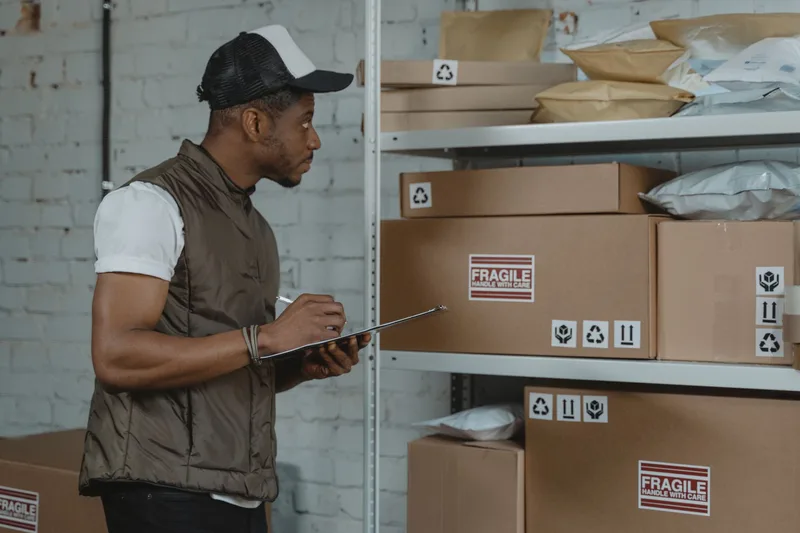
For the international model, AliExpress and CJdropshipping are the two most common starting points for Filipino dropshippers. Both let you browse products, check supplier ratings, and order a sample before you list anything.
For the local model, start with our product sourcing guide for the Philippines for wholesale markets and supplier directories worth checking first.
Before you add any supplier to your store:
- Order a sample yourself. Pay for one unit, shipped to your own address, before you ever list it for a customer. Judge the packaging, the real shipping time, and whether the product matches the listing photos.
- Check their rating and review count, not just their price. A supplier with thousands of reviews and a 95%+ positive rate is a safer bet than an unrated new listing offering the lowest price.
- Message them directly. Ask about average processing time before an order ships. Slow responses now mean slow responses when a customer is waiting.
- Confirm they will ship without their own branding or invoice inside the box, unless you want your supplier’s name visible to your buyer.
Never list a product you have not personally received and inspected.
Step 4: Choose Your Selling Channel
Shopee, Lazada, and TikTok Shop each work differently for a dropshipper with no stock on hand.
Shopee. The largest buyer base in the Philippines and the fastest to set up. According to seller reports, Shopee discourages listings used purely as a pass-through to an external shipping channel, so make sure every listing is a real, fulfillable product with accurate photos and shipping times, not a placeholder. Our Shopee seller guide covers account setup in full.
Lazada. Lazada publishes an official Drop Shipping policy in its Seller Center help articles, setting clear expectations around order fulfillment and after-sales service for sellers who do not hold their own stock. Read it before listing. See our Lazada seller guide for setup steps.
TikTok Shop. Best if you are comfortable filming short product videos. Discovery here comes from content, not just search, which can move a dropshipped product faster than on Shopee or Lazada. Our TikTok Shop guide walks through the setup.
Most beginners start on one platform instead of three at once. Master order flow and customer messages on Shopee first, then expand.
Step 5: List Your First Product
Use your supplier’s product photos as a starting point, not the final listing. Buyers in the Philippines scroll past listings that look copy-pasted from AliExpress.
- Rewrite the title and description in your own words, in English or Filipino depending on your audience, and include the details a buyer actually asks about: size, material, what’s in the box.
- Set an honest shipping time in your listing. If your supplier ships from China, say 10 to 20 business days upfront rather than letting the buyer assume it arrives in two days.
- Enable Cash on Delivery carefully. COD is popular with Filipino buyers outside Metro Manila, but a product with a three-week shipping time and COD enabled sees far more refused deliveries than one with fast local fulfillment. Weigh this before switching it on.
Step 6: Price for an Actual Profit
Dropshipping margins disappear fast once every fee is accounted for. Before you set a price, add up:
- Supplier cost, including the supplier’s own shipping fee to you if it is not bundled into the per-unit price.
- Platform commission. Shopee and Lazada both charge a commission on top of a payment processing fee; the exact rate depends on your product category, so check your seller dashboard’s current fee schedule before pricing.
- Payment processing fee, charged on non-COD transactions.
- Your buffer for refused COD deliveries and returns, which run higher on dropshipped items with long shipping times than on locally stocked ones.
If a PHP 250 item costs you PHP 180 after fees and refusals, you are not running a profitable business, you are running a very patient hobby. Use our free markup calculator to check your margin before you publish a listing.
Step 7: Process Your First Order
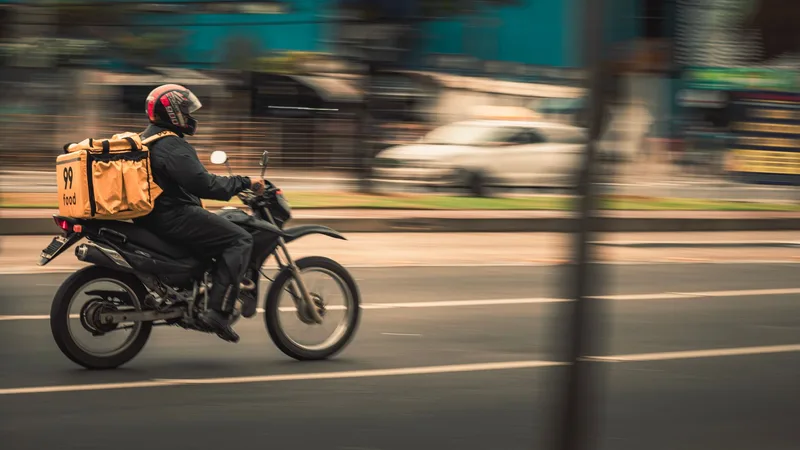
When an order comes in, you place the matching order with your supplier immediately and enter the buyer’s shipping details exactly as given. Any typo in the address becomes your problem, not the supplier’s.
- Forward the order to your supplier the same day, with the buyer’s exact name and address.
- Get a tracking number from your supplier and enter it into your seller dashboard so the platform and the buyer can follow the shipment.
- Message the buyer with the expected delivery window. A proactive update cuts down on “where is my order” messages later.
- Monitor the shipment until it marks as delivered, and respond to buyer messages within the response window your platform tracks.
Your first delivered order is proof the model works end to end: listing, payment, supplier, courier, buyer. Everything after this is repetition.
Common Mistakes New Dropshippers in the Philippines Make
1. Enabling COD on slow-shipping products
A product that takes three weeks to arrive from an international supplier, combined with Cash on Delivery, invites a high refusal rate. Buyers forget they ordered it, or simply change their mind by the time it shows up. Consider requiring prepaid payment on long-shipping items instead.
2. Listing a product before testing it
Skipping the sample order to save a week means you find out about quality problems from a one-star review instead of from your own hands. Order first, list second, every time.
3. Pricing without the full fee stack
Supplier cost is only one line in the math. Platform commission, payment fees, and your buffer for refused COD deliveries all come out of that same sale. Price using the full stack, not just what the supplier charges you.
4. Depending on a single supplier
If your one supplier runs out of stock or stops responding, every listing tied to them goes dead at once. Keep a backup supplier for your best-selling items from day one.
Frequently Asked Questions
Is dropshipping legal in the Philippines?
Yes. Dropshipping is not a separate legal category, so the same rules apply as any other online selling activity. You do not need a special permit to try the model. DTI business name registration and BIR registration become required once you earn income regularly, and imported goods still pass through normal Bureau of Customs rules regardless of your selling method.
How much money do I need to start dropshipping in the Philippines?
You can start with close to zero capital since you are not buying stock upfront. Budget for sample orders to test quality, often a few hundred to a few thousand pesos per supplier, plus a stable internet connection and a phone for product photos. Most new Filipino dropshippers spend more time than money in their first month.
Which platform is best for dropshipping in the Philippines: Shopee, Lazada, or TikTok Shop?
Shopee has the largest buyer base in the Philippines and the easiest setup for beginners. Lazada publishes an official Drop Shipping policy with clear fulfillment and after-sales standards. TikTok Shop rewards sellers who can produce short product videos. Most beginners start on one platform, usually Shopee, before expanding to a second.
How long does shipping take for dropshipping orders in the Philippines?
If your supplier ships from mainland China, expect roughly 10 to 25 days depending on courier and customs clearance. Suppliers with a Philippine-based warehouse typically ship in 3 to 7 days. Local Filipino suppliers can often deliver within 1 to 3 days. Longer shipping times raise buyer cancellations and COD refusals, so confirm this before you list a product.
Do I need DTI or BIR registration to start dropshipping?
Not to open your first Shopee or Lazada seller account — both let you register and list products without a business registration. DTI business name registration, roughly PHP 200 to PHP 2,000 plus a documentary stamp tax per DTI’s published fee schedule, and BIR registration become necessary once you are earning income regularly.
You Shipped Your First Order. Now Build On It.
That first delivered order is the hardest one. You proved the model works with real money and a real buyer.
From here: add a second supplier so one bad week doesn’t stop your whole store, track your margin per item so you know which products are actually worth keeping, and read our guide to starting a full online business in the Philippines for the registration and scaling steps that matter once orders become regular.
One note on imports worth knowing early: packages valued at PHP 10,000 or below are generally exempt from duties and taxes under the Bureau of Customs’ de minimis rule implementing the Customs Modernization and Tariff Act, though the threshold is subject to periodic review. Most individual dropshipped items fall well under this, but it matters if you ever place bulk sample orders.