
You want to sell custom shirts and mugs online. You do not want to buy 500 blank shirts and a heat press first.
That is exactly what print on demand solves. A supplier prints your design only after someone buys it, so you never touch inventory. This guide compares the platforms that actually work for Filipino sellers in 2026, what they cost, how fast they ship here, and which one fits your situation.
If you have not sourced or validated a product idea yet, start with our product sourcing guide for the Philippines first. Print on demand is one sourcing method among several, and it is not the cheapest one per unit.
What Is Print on Demand (POD)?
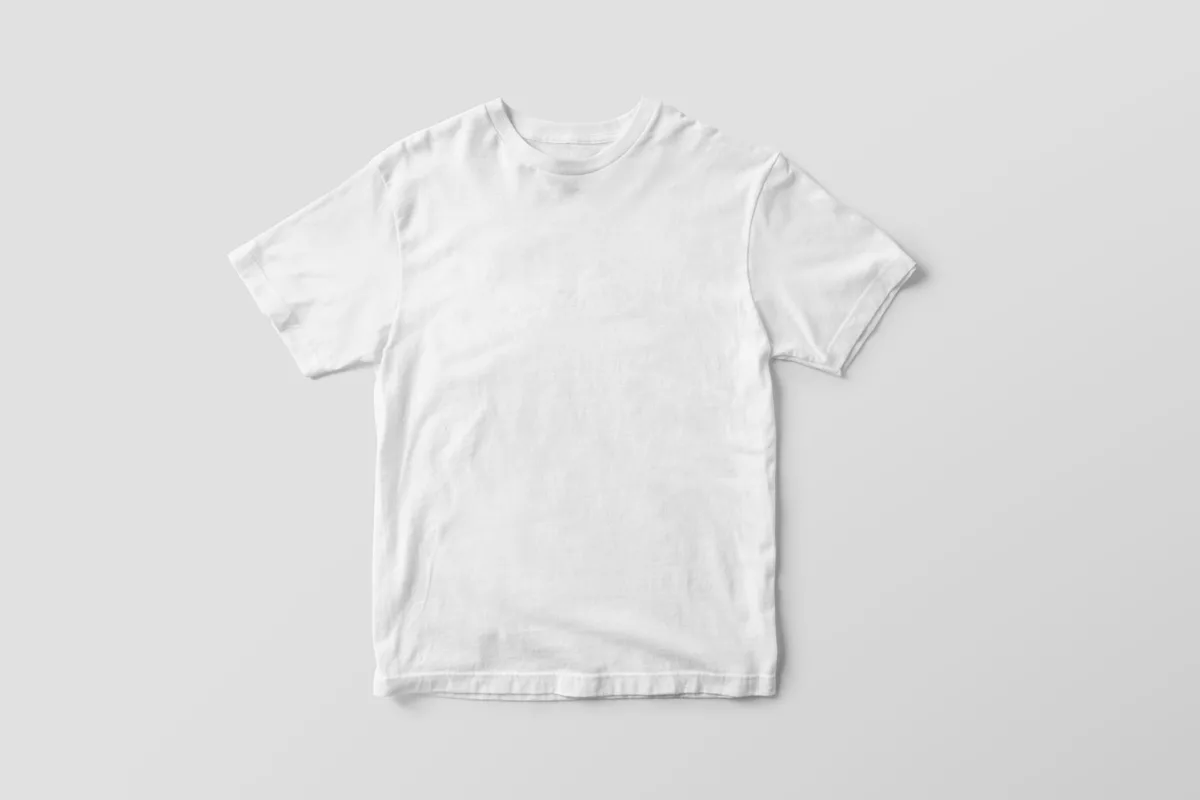
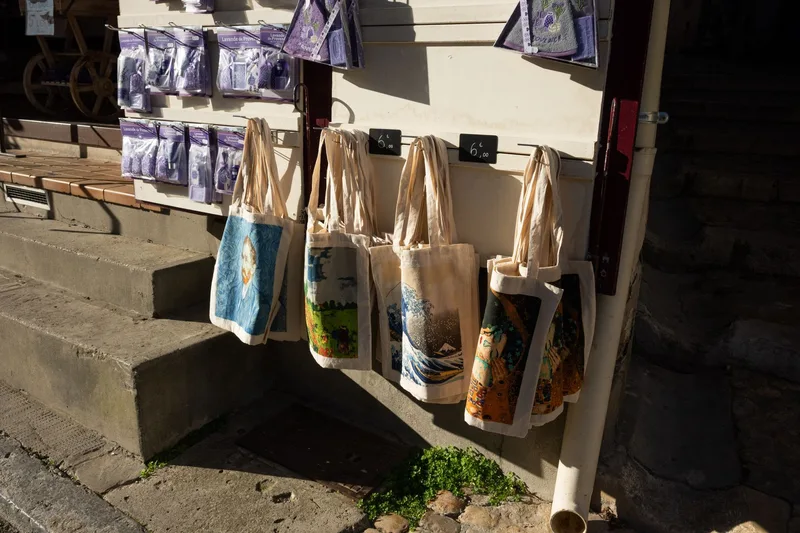
Print on demand (POD) is an ecommerce fulfilment model where a supplier prints your design onto a blank product, such as a shirt, mug, or tote bag, only after a customer places an order. Platforms like Printful and Printify list catalogs ranging from roughly 500 to over 2,000 customizable products, and neither charges you until a sale happens.
You upload a design, connect the platform to your online store (Shopify, Shopee, or your own website), and the platform handles printing, packing, and shipping under your brand name. You never see or hold the physical product unless you order a sample.
This is different from wholesale or dropshipping general goods. With POD, the product does not exist until someone orders it, which means:
- Zero inventory risk. You cannot get stuck with 200 unsold shirts in a bad print run.
- Lower margins per unit. You pay the platform’s base price plus shipping every single time, with no bulk discount unless you upgrade to a paid plan.
- Slower fulfilment than a warehouse. Printing takes 2-7 business days before the item even ships, on top of shipping time.
That trade-off, low risk for lower margin and slower delivery, is the core decision every Filipino seller considering POD needs to make before picking a platform.
Is Printful the Best Print on Demand Platform for Philippine Sellers?
Printful is the most established international POD platform, running its own in-house production with a built-in quality check on every order. It offers a free plan with access to 543 customizable products, and a paid Growth plan at $24.99/month that unlocks up to 33% off product pricing, per Printful’s own pricing page.
Printful controls its own factories rather than routing orders through third-party print shops, which is why sellers researching POD consistently name it as the quality benchmark. That control comes at a cost: its base prices run higher than Printify’s for comparable items.
Printful integrates directly with Shopify, so if you are weighing Shopify for your Philippine store, the two connect with a few clicks. It does not have a Philippine production facility, so every order ships internationally, and pricing is billed in USD, not PHP.
Best for: Sellers who want the most consistent print quality and are willing to accept a smaller margin per sale in exchange for fewer quality complaints.
How Does Printify Compare for Filipino POD Businesses?
Printify is the largest print on demand marketplace by network size, connecting sellers to over 90 competing print providers across 140+ fulfilment facilities and more than 2,000 customizable products, according to Printify’s own pricing page. Because providers compete on price, Printify’s base costs are typically lower than Printful’s for the same product type.
The trade-off is consistency. Since your order can be routed to different print providers depending on the product, print quality and packaging can vary more than with Printful’s single in-house pipeline. Printify is also free to join, with an optional Premium plan for sellers running high order volumes who want additional discounts.
Like Printful, Printify has no dedicated Philippine facility, ships internationally, and bills in USD. Check each product’s specific provider location before committing to a shipping-time promise on your store.
Best for: Sellers who want the widest product selection and the lowest starting price, and who are comfortable ordering a sample before trusting a new print provider on Printify’s network.
Can CJ Dropshipping Handle Print on Demand for Philippine Orders?
CJ Dropshipping is a general dropshipping and sourcing platform that also supports custom printing on select products, and it operates a Philippine warehouse that fulfils some items in 3-7 days versus 15-25 days from China, per our own sourcing research. It is not a dedicated POD specialist like Printful or Printify, so its custom-print catalog is narrower.
The appeal for Filipino sellers is delivery speed. If CJ Dropshipping stocks a plain product in its Philippine warehouse and can apply your design locally, you skip the international shipping wait entirely. Availability depends on the specific product, so confirm Philippine warehouse coverage for your exact item before building your listing around it.
Best for: Sellers prioritizing fast local delivery over the widest design catalog, especially for products already covered by CJ’s Philippine warehouse.
Is Prenta.ph Worth Using for Local Filipino Print on Demand?
Prenta.ph is a Philippine-based apparel marketplace built around Filipino artist designs, offering nationwide shipping and local payment methods including GCash, bank transfer, and cash on delivery, per Prenta.ph’s own site. It is a curated marketplace model, not an open design-your-own-catalog builder like Printful or Printify.
That distinction matters. Prenta.ph works well if you want to launch a Filipino-made merch line quickly using local payment rails your customers already trust, without dealing with foreign currency billing or international shipping estimates. It does not give you the same freedom to design across hundreds of product types the way Printful or Printify does.
Best for: Sellers who want a done-for-you, locally shipped Filipino merch line and are comfortable working within a curated design catalog instead of full customization.
Should You Use a Local Printing Shop Instead of an International POD Platform?
A local Filipino printing shop, sourced through Facebook groups or Viber networks, can be a genuine print on demand alternative for sellers who only need a handful of designs and want same-week local turnaround. Communities like the Print On Demand Philippines Facebook group connect sellers directly with local printers who screen print or heat press on request.
This route trades platform automation for relationship building. You will negotiate pricing per batch, handle your own quality checks, and manage reorders manually, unlike Printful or Printify where everything is automated through an app integration. What you gain is PHP pricing, faster turnaround for Metro Manila sellers, and no foreign transaction fees.
Best for: Sellers testing a small number of designs locally before committing to an international platform, or sellers already comfortable sourcing from Divisoria-style supplier relationships.
Quick Comparison
| Platform | Starting Cost | Ships to PH | Catalog Size | Best For |
|---|---|---|---|---|
| Printful | Free (Growth: $24.99/mo) | Yes, international | 543 products | Consistent quality control |
| Printify | Free | Yes, international | 2,000+ products | Widest catalog, lowest base cost |
| CJ Dropshipping | Free to join | Yes, PH warehouse for select items | Narrower custom-print range | Faster local delivery on select products |
| Prenta.ph | Free to join | Yes, nationwide | Curated artist designs | Local payments, done-for-you line |
| Local printing shop | Varies, PHP pricing | N/A, local pickup/delivery | Depends on the shop | Small batches, fastest local turnaround |
Printful and Printify pricing sourced from their official pricing pages; both bill in USD. CJ Dropshipping and local delivery estimates per our own sourcing research and existing StoreStarter reporting.
What Mistakes Do New Filipino POD Sellers Make?
The most common mistake is promising Shopee-style 3-5 day delivery on a product fulfilled by an international POD platform, which creates a shipping-time expectation the order cannot meet. Set delivery estimates directly from the platform’s live shipping calculator for your specific product and destination, not from what buyers expect on marketplace apps.
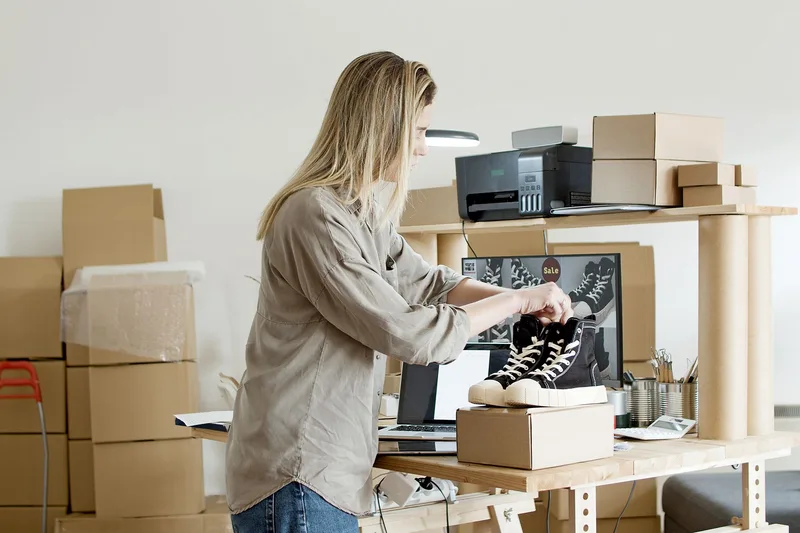
Skipping the sample order. A design that looks perfect in the mockup tool can print differently on the real product. Order one unit yourself before you list it for sale.
Forgetting the platform bills in USD. Printful and Printify both charge in US dollars. Your Philippine bank may apply a foreign transaction fee on top of the listed price, so factor that into your retail price before you set it.
Underpricing against the landed cost. Your real cost per sale is the base product price, plus shipping, plus your marketplace commission if you sell through Shopee or Lazada. Add all three before deciding your margin.
Choosing a design before validating demand. Printing a shirt nobody wants costs you nothing extra since there is no inventory, but it still costs you time and ad spend. Test the design idea with a small audience first.
Ignoring the reprint and returns policy. Printful and Printify both handle manufacturing errors differently. Read the reprint policy before you pick a platform, not after your first defective order.
Which Print on Demand Platform Should You Choose?
If you are launching your first design and want the safest quality bar, start with Printful. If you want the widest catalog and the lowest starting cost, and you are willing to order a sample to check quality, start with Printify. If fast local delivery matters more than design variety, check whether CJ Dropshipping’s Philippine warehouse covers your product. And if you want a curated, locally-paid Filipino merch line without building a catalog from scratch, Prenta.ph is worth a look.
You do not have to pick one forever. Many sellers start on Printify to test cheaply, then move their bestsellers to Printful once they know a design sells.
Your first sample order is the real milestone here, not the platform you choose. Order it, hold the product in your hands, and you will know within a week whether this design is worth building a store around.
If you have not decided where to sell your finished products yet, our best ecommerce platform comparison for Filipino sellers breaks down Shopee, Lazada, TikTok Shop, and Shopify. And if you are still at the very beginning, our complete guide to starting an online business in the Philippines walks through registration and your first sale.
Frequently Asked Questions
What is the best print on demand platform for the Philippines?
There is no single best option. Printful suits sellers who want the most polished quality control and are willing to pay for it. Printify suits sellers who want the widest product catalog and the lowest base costs, since it runs on 90+ competing print providers. CJ Dropshipping is worth checking for select items it fulfils from a Philippine warehouse. Prenta.ph fits sellers who want a curated Filipino-designed line instead of a fully custom catalog.
Do Printful and Printify ship to the Philippines?
Yes, both platforms fulfil and ship internationally, including to the Philippines. Neither operates a dedicated production facility in the country, so most orders are produced abroad and shipped in. Check each platform’s live shipping calculator for your specific product before promising a delivery date to your buyer, since transit time varies by product type and destination province.
How much does it cost to start a print on demand business in the Philippines?
Printful and Printify are both free to join, so your only real cost is placing a sample order to check quality before you sell it, typically the product’s base price plus shipping. Printful’s paid Growth plan is $24.99/month and unlocks lower per-item pricing. Both platforms bill in USD, not PHP, so factor in your bank’s foreign transaction fee when pricing your products.
Is print on demand a legal business in the Philippines?
Yes. Print on demand is not a distinct legal category, so it follows the same rules as any other online selling activity: DTI business name registration and BIR registration apply once you are selling regularly. Our guide to starting an online business in the Philippines covers the registration steps in full, since they are identical whether you sell POD merch, wholesale goods, or dropshipped products.