
Two platforms. One decision to make, and pesos on the line either way.
EasyStore has an active Philippine presence, with its own local Facebook page and contact number. Shopify is the platform millions of sellers worldwide already trust, backed by a Filipino payment workaround (PayMongo) that actually works. Here’s how they really compare once you convert the pricing to pesos.

What Are EasyStore and Shopify, and Which One Is Built for Philippine Sellers?
EasyStore is a Malaysia-founded ecommerce platform with an active presence in the Philippines (EasyStore Philippines, contact [email protected]), built around marketplace sync for Shopee and Lazada. Shopify is the global standard ecommerce platform, used by sellers in over 175 countries, with a much larger app ecosystem but no built-in Philippine payment or marketplace tools.
Neither platform was built exclusively for the Philippines. EasyStore’s official pricing and payment-gateway documentation still runs on Malaysian Ringgit and Malaysian gateways, even on its /en-ph/ pages. Shopify bills in US dollars everywhere, including the Philippines.
That means both platforms ask a Filipino seller to do some currency and payment-gateway homework before signing up. The difference is how much homework, and how well-documented the answers already are.
How Do EasyStore and Shopify Compare on Price for Filipino Sellers?
Shopify Basic starts at $25/month (about PHP 1,525 at a snapshot rate), per Shopify’s official pricing page, or $19/month on annual billing. EasyStore Standard starts at RM 249/month (roughly PHP 3,360 at a snapshot conversion), per EasyStore’s official pricing page, with 0% platform transaction fees on every plan. Both prices exclude payment-processing fees.
Here is the quick comparison, converted to pesos where a peso price isn’t natively published:
| Platform | Monthly Cost (starting) | Ease of Use | Best For |
|---|---|---|---|
| EasyStore Standard | RM 249/mo (~PHP 3,360) | Beginner-friendly, but Malaysia-first onboarding | Sellers already running Shopee PH and Lazada PH who want one dashboard |
| Shopify Basic | $25/mo (~PHP 1,525), $19/mo billed yearly | Easy, well-documented for Filipino setup | First-time sellers building a standalone branded store |
EasyStore price per EasyStore’s official pricing page, verified 2026-08-26. Shopify price per Shopify’s official pricing page and StoreStarter’s own Shopify pricing breakdown for the Philippines. Peso conversions are approximate snapshots, not fixed rates. Check both providers’ sites for current pricing before signing up.
EasyStore’s four plans, per its official pricing page: Standard at RM 249/month, Business at RM 499/month (~PHP 6,740), Growth at RM 899/month (~PHP 12,140), and Success at RM 1,199/month (~PHP 16,190), all with 0% platform transaction fees.
Shopify’s three core plans, per our detailed Shopify Philippines pricing guide: Basic at $25/month (~PHP 1,525), Grow at $65/month (~PHP 3,965), and Advanced at $399/month (~PHP 24,340), all billed monthly in USD. Annual billing drops these to $19, $49, and $299 respectively.
One-line summary: On subscription price alone, Shopify Basic is the cheaper entry point for a Filipino seller. EasyStore’s Standard plan costs more upfront, but it bundles marketplace sync that Shopify charges extra for. Add that back in, and the gap narrows.

Does EasyStore or Shopify Handle Shopee and Lazada Sync Better for Philippine Sellers?
EasyStore includes built-in Shopee and Lazada sync on every plan, no extra app or fee required, per its official pricing page. Shopify has no native marketplace sync. Filipino Shopify sellers need a third-party app such as LitCommerce or CedCommerce, which typically adds a separate monthly cost on top of the subscription.
This is EasyStore’s clearest advantage for a Philippine seller who already runs a Shopee or Lazada store.
When you sell on a marketplace and your own website at the same time, the worst-case scenario is selling the same item twice, once per channel, because stock isn’t synced. EasyStore’s built-in multi-channel tools are designed to prevent exactly that, pulling inventory from one product database across your website and your connected marketplaces.
On Shopify, the same result is possible, but you’re assembling it yourself: install a sync app, connect your Shopee PH and Lazada PH seller accounts, and manage a second subscription alongside Shopify’s own. For a seller who wants everything in one dashboard from day one, that’s friction EasyStore removes upfront.
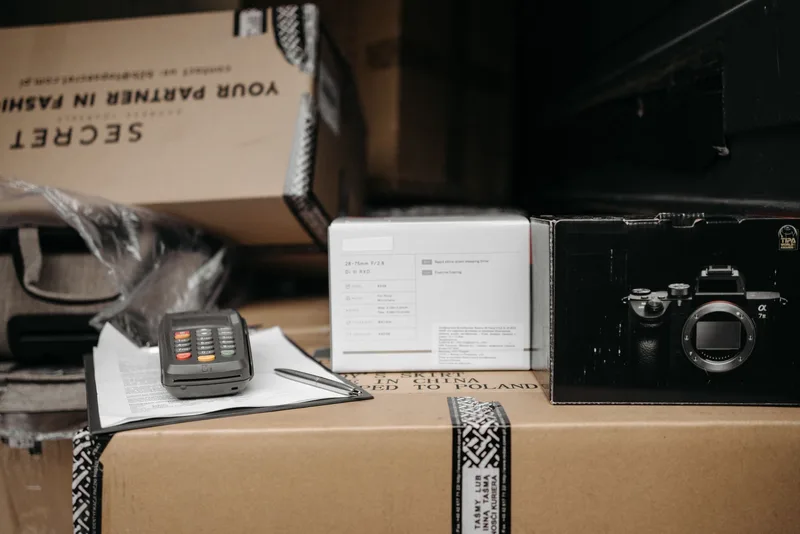
Where Shopify still wins: its app ecosystem covers far more than marketplace sync. If you eventually want abandoned-cart recovery, subscription billing, or multi-currency checkout for international buyers, Shopify has an app (often several) for each. EasyStore’s roadmap has grown, but it remains a Southeast Asia-first platform, and that’s a strength early on and a possible ceiling later.
Which Platform Handles GCash and Maya Payments Better in the Philippines?
Shopify has a confirmed, well-documented path to GCash and Maya through PayMongo, the standard third-party gateway for Filipino Shopify stores, charging 2.23% for GCash and 1.79% for Maya per PayMongo’s published pricing. EasyStore has not published GCash or Maya as supported gateways; its documented partners (Touch’nGo, Boost, Maybank2u) are Malaysia-specific, so this needs direct confirmation before you commit.
This is the honest gap in EasyStore’s Philippine offering, and it matters for a market where GCash and Maya are how most online buyers actually pay.
Shopify Payments does not operate in the Philippines, so Filipino sellers connect PayMongo instead. PayMongo charges 2.23% for GCash, 1.79% for Maya, and 3.125% plus PHP 13.39 per transaction for cards, per PayMongo’s published pricing.
Shopify also adds its own transaction fee on top of PayMongo’s cut, 2% on Basic, per Shopify’s pricing page, because you’re using a third-party gateway instead of Shopify Payments. The full math, worked out on a real sales figure, is in our Shopify pricing breakdown for the Philippines.
EasyStore’s official pricing and feature pages, including its /en-ph/ versions, list Touch’nGo, Boost, and Maybank2u as payment partners. Those are Malaysian e-wallets and banking apps. Neither GCash nor Maya appears in EasyStore’s published gateway documentation as of this writing. That doesn’t mean EasyStore definitely lacks a Philippine payment option. It means the answer isn’t public yet, and a seller has to email EasyStore Philippines ([email protected]) or its local Facebook page to get a straight answer before signing up.
Not sure what your real monthly platform cost will be once payment fees are added? Run your numbers through StoreStarter’s free startup cost calculator. Takes about 5 minutes. Free, no signup.
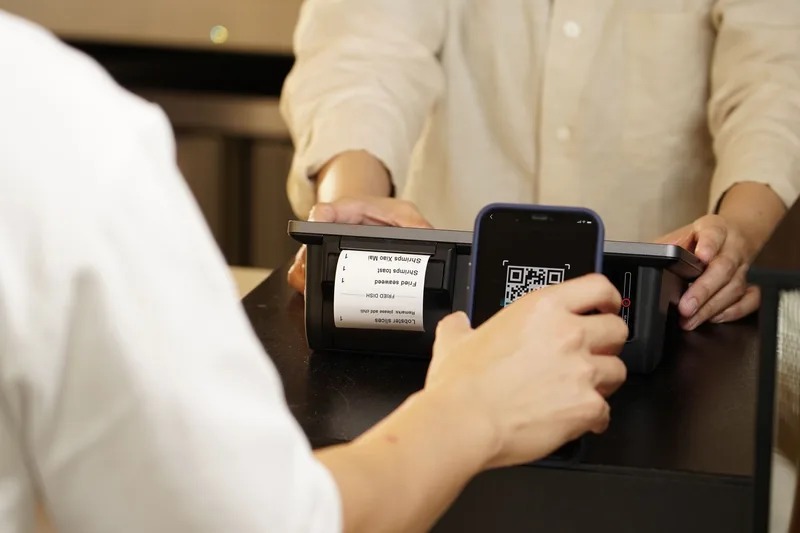
Which Platform Has Better Local Support for Filipino Sellers?
EasyStore Philippines maintains a dedicated local Facebook page and contact channel ([email protected]), a genuine local-support signal. Shopify offers 24/7 English-language support via live chat and email but has no dedicated Philippine support team, relying instead on its global support desk.
EasyStore’s Philippine presence is real, not just a translated homepage. Its Facebook page for the Philippine market posts locally and lists a Philippine contact number and a .com.ph email address, which is a stronger local-support signal than a platform that only swaps currency symbols by locale.
Shopify’s support, by contrast, is available around the clock, but it’s the same global desk a seller in Canada or Germany would reach. There’s no Philippine-specific support line, and Filipino-specific questions (PayMongo setup, DTI registration for your PayMongo account, local courier apps) are answered through Shopify’s general documentation and its large third-party community rather than a local team.
For a first-time seller who wants to ask a local rep “does this work with GCash” and get a direct answer, EasyStore’s local presence has an edge. For a seller comfortable self-serving through documentation and community forums, Shopify’s support hours make up the difference.

Should Filipino Sellers Choose EasyStore or Shopify?
Choose EasyStore if you are:
- Already selling on Shopee PH or Lazada PH and want one dashboard for your website and marketplace stock
- Comfortable emailing EasyStore Philippines directly to confirm GCash or Maya support before you commit
- Building a business that will stay focused on the Philippines and wider Southeast Asia for the next 12-24 months
- Willing to budget in Ringgit until EasyStore publishes Philippine-specific PHP pricing
Choose Shopify if you are:
- A first-time seller who wants a documented, tested path to accepting GCash and Maya through PayMongo
- Starting with a standalone branded website rather than marketplace-first selling
- Planning to sell beyond the Philippines eventually, or want access to Shopify’s much larger app ecosystem
- Comfortable budgeting the PayMongo and Shopify transaction fees on top of the subscription, as laid out in our Shopify pricing guide
The honest middle ground: if built-in Shopee and Lazada sync matters more to you than a fully documented Philippine payment setup, EasyStore is worth a direct conversation with their support team before you rule it out. If you want to start selling with GCash and Maya today without waiting on an email reply, Shopify plus PayMongo is the better-documented, lower-friction path right now.
Both platforms offer free trials. Set up a test store on each, add five products, and see which dashboard actually feels usable for how you work. You’ll know within an hour.
Frequently Asked Questions
Is EasyStore or Shopify better for Filipino sellers?
Shopify is the more proven choice for most Filipino sellers building a standalone website in 2026. It has a confirmed PayMongo integration for GCash and Maya, and its own PHP-priced pricing content is well documented. EasyStore has an active Philippine presence and Shopee/Lazada sync, but its official pricing and payment-gateway pages are still published in Malaysian Ringgit, so a Filipino seller has more to verify before committing.
Does EasyStore support GCash and Maya payments?
EasyStore has not published GCash or Maya as supported payment gateways on its official documentation as of this writing. Its documented gateway partners (Touch’nGo, Boost, Maybank2u) are Malaysia-specific. Confirm current Philippine payment options directly with EasyStore’s support team ([email protected]) before choosing it for a Philippine store.
How much does EasyStore cost compared to Shopify in the Philippines?
EasyStore’s Standard plan is RM 249/month (roughly PHP 3,360 at a snapshot rate), per EasyStore’s official pricing page. Shopify Basic is $25/month (about PHP 1,525), per Shopify’s official pricing and our own Shopify Philippines pricing breakdown. Shopify is the cheaper starting point before you add PayMongo processing fees.
Does EasyStore sync with Shopee and Lazada?
Yes. EasyStore’s official pricing page lists Shopee and Lazada as built-in marketplace channels on every plan, with no separate app required. Shopify needs a third-party app such as LitCommerce or CedCommerce for the same sync, which adds a separate monthly cost.