
You have been thinking about selling online for a while now — but you still have not started.
Not because you are lazy — but because every time you search for advice, the information is overwhelming. One video says start on Shopee, another says build your own website. One claims you can start with Rp 100,000, another says you need millions. You end up confused, and the plan to sell online stays a plan.
This guide is different. One clear path — from zero to your first sale — with every step tailored for Indonesia: local platforms, local payments, local shipping.

What Is an Online Business?
An online business is any activity where you sell products or services over the internet — on marketplaces like Tokopedia and Shopee, through your own store, or via social media. In Indonesia, ecommerce transactions reached Rp 487 trillion in 2023 and continue to grow.
An online business is any activity that involves selling products or services over the internet. This can happen through marketplaces like Tokopedia or Shopee, through social media, or through your own online store website.
In Indonesia, online business is growing rapidly. According to Bank Indonesia, the value of Indonesian ecommerce transactions reached Rp 487 trillion in 2023 — and this number continues to climb every year. The market demand is already there. What you need is the right way to enter it.
An online business is not just about uploading products and waiting for orders. There is a foundation to build: business legality, product selection, store setup, payment systems, and a strategy for getting your first buyers. This guide covers all of that — step by step.
Why Is Now the Right Time to Start an Online Business in Indonesia?
Indonesia has 270 million people, free-to-join marketplaces, nationwide logistics (JNE, SiCepat), and digital payments that work for everyone. You can start with under Rp 500,000 using a dropshipping model. The infrastructure is already there — you just need to use it.
Indonesia’s ecommerce market is one of the largest and fastest-growing in Southeast Asia. With a population of 270 million and internet penetration growing every year, millions of new online buyers are added annually. Some facts:
- Free marketplaces: Registering as a seller on Tokopedia and Shopee costs nothing. You only pay commission after a sale.
- Established logistics: JNE, SiCepat, J&T, and Anteraja reach almost every sub-district in Indonesia.
- Digital payments available: QRIS, bank transfers (BCA, BRI, Mandiri), and e-wallets (OVO, GoPay, Dana, ShopeePay) make transactions easy.
- Low capital required: With dropshipping or pre-order models, you can start without holding any inventory.
Do not wait until you feel “ready” — because that moment will never come. There is only: start, learn as you go, and improve over time.
How Do You Start an Online Business in Indonesia?
Follow 7 steps: decide what to sell, register your NIB (free, 30 min), choose a platform, find suppliers, set up your store, configure payments and shipping, then get your first sale. Each step is covered below with real costs in IDR.
Step 1: Decide What to Sell
This is the step where most people get stuck. Too much thinking, too much research, and they never actually begin.
The principle is simple: sell a product where you understand the market. If you know skincare, sell skincare. If you know motorcycle accessories, sell motorcycle accessories.
Practical product research methods:
- Check trending items on marketplaces — Browse Tokopedia or Shopee “Best Sellers” and “Flash Sale” categories to spot patterns.
- Use Google Trends — Search your product idea, filter to Indonesia, and check whether demand is rising or declining.
- Look around you — Local products (regional snacks, crafts, fashion) often have underserved online demand.
- Calculate margins — Purchase price + shipping + packaging + commission. Is there still at least 30% profit?
Categories that work well for Indonesian beginners:
| Category | Starting Capital | Average Margin | Difficulty |
|---|---|---|---|
| Muslim Fashion | Rp 2-5 million | 40-60% | Low |
| Phone Accessories | Rp 1-3 million | 50-80% | Low |
| Skincare/Beauty | Rp 3-7 million | 30-50% | Medium |
| Snacks & Food | Rp 1-3 million | 30-40% | Medium |
| Home & Living | Rp 2-5 million | 35-50% | Low |
| Baby Products | Rp 3-5 million | 30-45% | Low |
Warning: Avoid products that are currently viral but have short lifespans (fidget spinners, pop-its). Once the trend drops, your stock becomes unsellable.
Step 2: Register Your Business (NIB)
Many beginner sellers skip this step. While marketplaces do not always require an NIB to start selling, having business legality protects you down the road — and makes it easier to open a business bank account at BCA, BRI, or any other bank.
How to register for an NIB (free):
- Go to oss.go.id and click “Register”
- Fill in your personal data using your NIK (KTP number) and active email
- Verify your email and log in
- Select business type: Usaha Mikro (Micro Business — revenue below Rp 1 billion/year)
- Fill in business details: business name, address, type of activity (select “Retail Trade Through Media”)
- The system will automatically generate your NIB — download and save it
Time required: 30-60 minutes.
Step 3: Choose Your Selling Platform
You have three main options:
Marketplaces (Tokopedia, Shopee, Bukalapak, TikTok Shop)
- Pros: Built-in traffic, integrated payment and shipping systems, free to register
- Cons: High competition, commission per transaction (1.6%-6.5%), difficult to build your own brand
- Best for: Beginners who want to start fast with minimal capital
Your Own Website (Shopify, WooCommerce, SIRCLO)
- Pros: Your own branding, larger margins, you own the customer data
- Cons: Monthly costs, you must find your own traffic (SEO, ads, social media)
- Best for: Sellers who already have followers or a brand to develop
Social Commerce (Instagram, TikTok, WhatsApp)
- Pros: Personal, high engagement, no platform commission
- Cons: No automated payment system, difficult to manage when orders increase
- Best for: Unique/custom products, pre-orders, or as a supplement to marketplace
Our recommendation for beginners: Start with Tokopedia or Shopee. Once your revenue is consistently Rp 10-20 million/month, consider opening your own website. For a detailed comparison, read our guide to the best ecommerce platforms for Indonesian sellers.

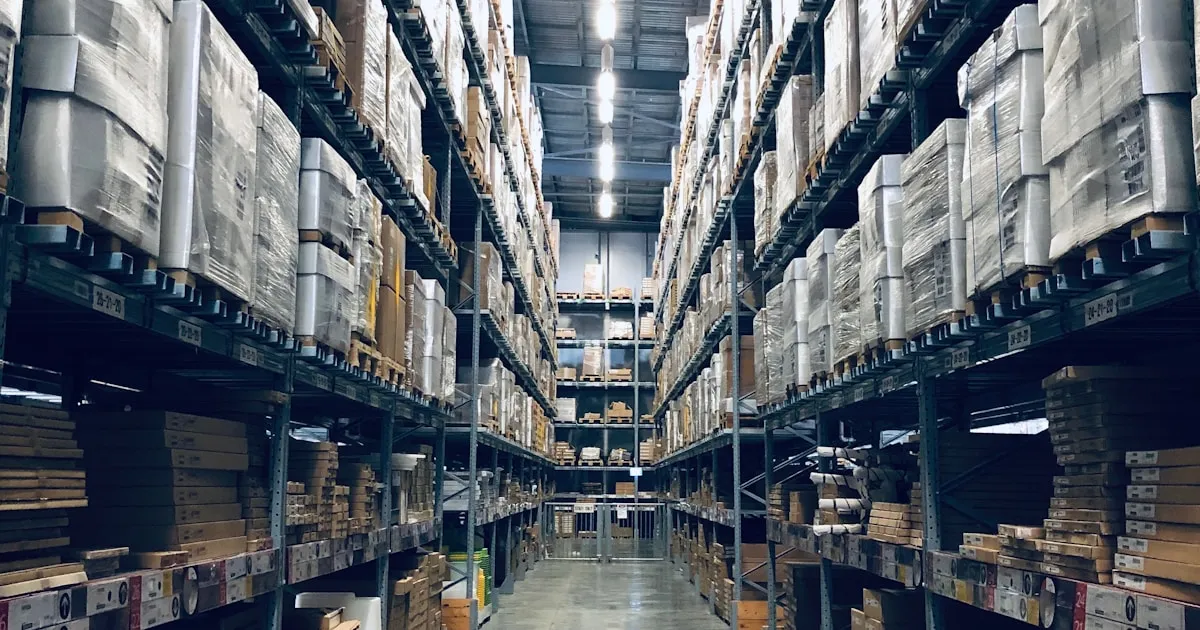
Step 4: Find Suppliers and Prepare Inventory
There are two main models:
Model 1: Hold your own stock — Buy in bulk, store at home. Better margins and quality control, but requires more capital.
Model 2: Dropshipping — Supplier ships directly to buyers under your store name. Minimal capital, but thinner margins and less control over shipping quality.
How to find reliable suppliers:
- Tokopedia/Shopee: Search for sellers with high ratings (4.8+), thousands of sales, and fast chat response. Ask if they serve dropshippers or resellers.
- Production centers: Bandung (fashion), Solo (batik), Jepara (furniture), Cirebon (batik, rattan). Visit in person or contact via WhatsApp.
- Alibaba/1688: For bulk imports from China (MOQ typically 50-500 pieces).
For a more detailed guide on product sourcing, read our dropshipping in Indonesia guide.
Step 5: Create Your Store and Upload Your First Products
Example using Tokopedia (the process is similar on Shopee):
- Create a seller account — Download the Tokopedia app, open “Want to Start a Business?” and follow the steps. Have your KTP, phone number, and bank account ready.
- Set up your store profile — Name, profile photo, description, and location (location affects shipping costs).
- Upload your first product — Minimum 3 photos (front, side, detail), 500x500 px minimum, white background. Title format: [Product Name] + [Variant] + [Keyword].
- Write the product description — Cover materials, dimensions, colours, care instructions, estimated shipping time. Do not copy-paste from other sellers.
- Set your price — Calculate: purchase price + packaging (Rp 2,000-5,000) + marketplace commission (approximately 5%) + your desired margin.
Product photo tip without spending money: Use a phone with a good camera, white cardboard as a background, and natural light from a window. The results are professional enough for marketplace selling.
Step 6: Set Up Payments and Shipping
Payments: On marketplaces, payments are fully automated — bank transfers (BCA, BRI, Mandiri, BNI), e-wallets (OVO, GoPay, ShopeePay), QRIS, and COD are all built in. For your own website, use a payment gateway: Midtrans (~2.9%/transaction), Xendit, or Doku.
Shipping: Choose a shipping service based on your needs:
| Courier | Strength | Estimate (Java) | Starting From |
|---|---|---|---|
| JNE | Widest network | 1-3 days | Rp 9,000 |
| SiCepat | Fast and affordable | 1-2 days | Rp 8,500 |
| J&T | Free pickup | 1-3 days | Rp 9,000 |
| Anteraja | Same-day in major cities | 1 day | Rp 10,000 |
| ID Express | Competitive pricing | 1-3 days | Rp 8,000 |
Enable all courier options so buyers have choices — more options means fewer abandoned checkouts.

Step 7: Get Your First Sale
This is the part everyone looks forward to — and the part that often causes the most frustration. Honestly: most new stores get zero sales in the first week. That is normal.
What you need to do:
- Optimize your listings — Make sure product titles contain keywords that buyers search for. Use Tokopedia’s “Market Insight” feature or Shopee’s “Popular Searches” to find keywords.
- Use free promotion features — Tokopedia has “TopAds” (minimum Rp 250/click), Shopee has “My Ads.” Start with a small budget: Rp 10,000-20,000/day.
- Get your first reviews — Sell to friends or family at cost price. First reviews are critically important — stores without reviews struggle to earn trust from new buyers.
- Share on social media — Post your products on Instagram, Facebook, WhatsApp Status. Ask friends to share.
- Join flash sales — On Shopee and Tokopedia, registering for flash sale programs or themed campaigns can significantly increase your product exposure.
- Respond fast — Answer buyer chats within 5 minutes or less. A high response rate improves your store ranking on the marketplace.
What Are the Best Tips for New Online Sellers in Indonesia?
Start with 5–10 products, not 100. Track every expense from day one. Don’t compete on price alone — find a differentiated angle (packaging, service, niche). Use marketplace analytics to double down on what sells.
- Start with 5-10 products. Optimize a few listings until they perform, then expand.
- Track every expense from day one. Packaging, data, and time all eat into profit. Use BukuKas or a spreadsheet.
- Don’t compete on price. Differentiate with better packaging, a bonus, or after-sales service instead.
- Study marketplace analytics. Use Tokopedia Seller Dashboard or Shopee Seller Centre to see what gets views and what converts.
- Post and update consistently. Active stores rank higher — use the “Boost Product” feature regularly.
What Mistakes Should New Sellers in Indonesia Avoid?
The four most common mistakes: copying other stores (marketplace penalties), buying large stock before testing (unsold inventory risk), not factoring shipping into your price (margin loss), and ignoring customer service (one bad review hurts your ranking).
Copying other stores — Copy-pasting photos and descriptions can result in marketplace penalties. Create original content, even if simple.
Buying large stock before testing — Start with 10-20 pieces or dropship first. Scale up only after demand is proven.
Not factoring shipping into your price — Shipping from Jakarta to Kalimantan can exceed Rp 30,000. If you subsidize shipping without accounting for it, your margin disappears.
Ignoring customer service — One 1-star review can significantly hurt your sales. Reply promptly, ship on time, handle complaints professionally.
What Should You Do After Your First Sale?
Once your store is active: focus on getting your first 5 reviews (sell to friends at cost), then optimize your listings using Tokopedia Market Insight or Shopee Popular Searches. Your first sale is the start — consistent improvement is the game.
Once your store is active, the next step is finding the right suppliers. Read our dropshipping in Indonesia guide to find reliable product sources. And if you are still unsure about which platform suits you best, compare your options at best ecommerce platforms for Indonesian sellers.
Start today. Not tomorrow, not next week. Today.
Frequently Asked Questions
How much does it cost to start an online business in Indonesia?
You can start for as little as Rp 500,000 using a dropshipping model where you do not hold inventory. If you want to stock products yourself, a realistic starting capital is Rp 2-5 million for products, packaging, and initial operating costs. Selling on marketplaces like Tokopedia and Shopee is free to join — you only pay commission after making a sale.
Do I need a business license (NIB) to sell online in Indonesia?
Legally, all business operators in Indonesia are required to have an NIB (Nomor Induk Berusaha). Registration is free through the OSS portal at oss.go.id and can be completed in one day. While marketplaces do not always require an NIB for new sellers, having one protects your business legally and makes it easier to open a business bank account.
What is the most profitable online business for beginners in Indonesia?
There is no universal answer — profitability depends on your skills, capital, and target market. Categories that consistently sell well for Indonesian beginners include local beauty products, Muslim fashion, phone accessories, regional snacks, and household items. The key is not finding the most “viral” product, but finding one where you understand the market.
Should I sell on a marketplace or build my own website?
For beginners, start with a marketplace like Tokopedia or Shopee. You do not need to worry about traffic, payments, or shipping — everything is provided. Once you have regular customers and stable revenue (Rp 10-20 million/month), consider building your own website for better margins and stronger branding.