

This Shopify review UAE guide is evidence-led. The platform is a strong option for a seller who wants design control and international reach. The important 2026 change is that Shopify Payments now exists in UAE early access, but it is available only to certain merchants. Your payment eligibility determines the real cost.
This review uses Shopify’s UAE pricing and Help Center pages accessed on 13 July 2026. Confirm the live checkout figures in your own account before paying annually.
What is Shopify for a UAE seller?
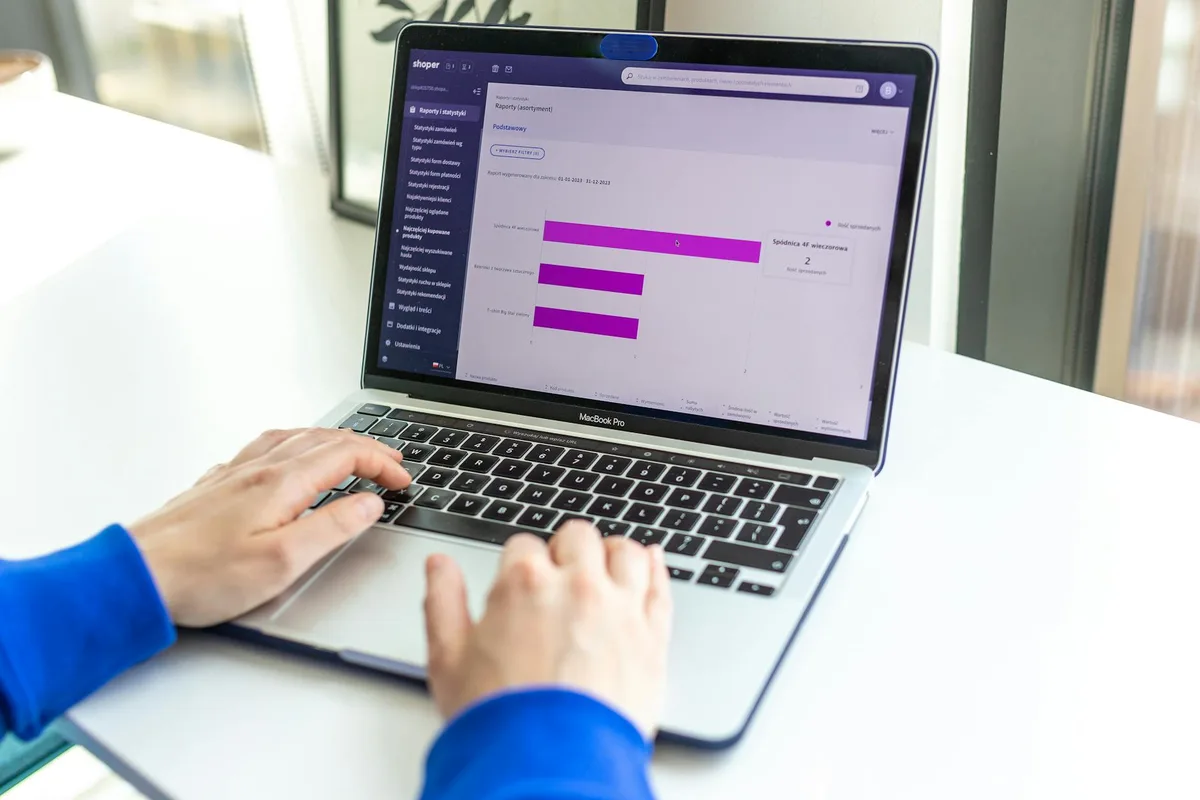
Shopify is a hosted commerce platform that combines a storefront, product catalogue, checkout, order management, hosting, analytics, and an app ecosystem. A UAE merchant can price products in AED and build regional storefront content without maintaining a server.
The trade-off is recurring cost and platform dependency. Your final bill can include the subscription, payment processing, third-party transaction fees where applicable, domain, paid theme, apps, and fulfilment integrations.
Shopify is not the business licence, bank account, customs process, or tax adviser. Those remain separate UAE operating requirements.
Which Shopify features matter most in the UAE?
Storefront and operations
Shopify includes hosting, SSL, unlimited products, inventory locations, order management, discount tools, analytics, and access to thousands of apps. The UAE pricing page currently lists 10 inventory locations on Basic, Grow, and Advanced, with 5 additional staff accounts on Grow and 15 on Advanced.
Basic is enough for most first stores. Upgrade only when a specific operational constraint—staff access, reporting, international controls, or live carrier rates—has a measured value.
Payments
Shopify Payments for the UAE is in early access and available only to certain merchants. Shopify lists standard domestic online card rates from 2.9% + AED 1 on Basic, 2.8% + AED 1 on Grow, and 2.7% + AED 1 on Advanced.
Eligibility matters. Shopify’s UAE requirements page says eligible merchants need a company registration number and an AED checking account with a UAE bank, among other identity and business requirements.
If Shopify Payments is unavailable to your account, compare supported third-party gateways. Shopify’s UAE pricing page lists additional third-party transaction fees of 2% on Basic, 1% on Grow, and 0.6% on Advanced. Those are added to the gateway’s own processing fee.

Arabic and multiple languages
Shopify supports multiple languages on Basic and above. The Shopify localization guide says all free Shopify themes support multilingual features, while custom themes must be checked. It also specifically tells merchants using right-to-left languages such as Arabic to verify theme support.
Use Translate & Adapt or a compatible translation app, then test:
- navigation and language selection;
- product and collection templates;
- right-to-left layout on mobile and desktop;
- checkout labels and policy pages;
- transactional email content; and
- third-party app blocks.
Do not assume “Arabic translation available” means every app and layout is right-to-left ready.
How much does Shopify cost in the UAE?
Shopify bills subscriptions in USD. The table converts the official USD prices at AED 3.6725 per USD for comparison; your bank can apply a different card rate or fee.
| Plan | Pay monthly | Approx. AED | Pay yearly, per month | Approx. AED | Third-party transaction fee |
|---|---|---|---|---|---|
| Basic | USD 32 | AED 118 | USD 24 | AED 88 | 2.0% |
| Grow | USD 92 | AED 338 | USD 69 | AED 253 | 1.0% |
| Advanced | USD 399 | AED 1,465 | USD 299 | AED 1,098 | 0.6% |
Source: Shopify UAE pricing, accessed 13 July 2026. AED conversions use the Central Bank of the UAE’s published USD reference of AED 3.6725; they are planning estimates, not billing quotes.
Add these lines to your own budget:
- domain registration;
- any paid theme;
- essential apps only;
- payment processing;
- third-party transaction fee if applicable;
- fulfilment or carrier software; and
- VAT on taxable services where applicable.
Avoid copying an old Shopify price from a review. Plan names and prices have changed, and promotional trial pricing is not the steady-state monthly cost.

What does a first-month Shopify cost look like? A worked example
Assume a UAE seller chooses Basic with monthly billing, is eligible for Shopify Payments early access, and processes 100 domestic-card orders at AED 100 each.
| Cost line | Calculation | Illustrative amount |
|---|---|---|
| Basic monthly subscription | USD 32 × 3.6725 | AED 117.52 |
| Standard card percentage | AED 10,000 × 2.9% | AED 290.00 |
| Per-order card fee | 100 × AED 1 | AED 100.00 |
| Subtotal before VAT, domain, apps, refunds, and chargebacks | — | AED 507.52 |
This example is deliberately narrow. An international or American Express card rate is higher on the published page. If Shopify Payments is not available to the account, replace the card line with the chosen gateway’s fee and add Shopify’s third-party transaction fee.
The example helps you compare plans honestly. Grow saves one percentage point of third-party transaction fees versus Basic, but its higher subscription only pays back after enough third-party processed volume. Use your actual order mix rather than upgrading on a feature list.
How does Shopify handle UAE VAT?
The UAE applies a standard 5% VAT rate to taxable supplies. The UAE Government VAT guide explains that tax-registered businesses collect and account for VAT and may recover eligible input tax.
Shopify can support tax settings and order records, but the merchant owns the configuration and filings. Verify:
- whether and when the business must register;
- whether prices display VAT-inclusive or exclusive;
- invoice fields and numbering;
- product-specific zero-rating or exemption;
- import VAT and customs treatment; and
- the accounting export your adviser needs.
A platform toggle cannot determine the legal treatment of every product or transaction.
What are Shopify’s strengths and limitations for UAE sellers?
Strengths
- polished storefront builder and hosted checkout;
- large app and theme ecosystem;
- international market and language tools;
- clear plan progression from a single operator to a larger team;
- Shopify Payments is now available to some UAE merchants; and
- strong documentation for payment, language, and market configuration.
Limitations
- Shopify Payments remains early access and account eligibility is not guaranteed;
- subscription billing is in USD;
- third-party gateway use can add a Shopify transaction fee;
- Arabic right-to-left quality depends on theme and app compatibility;
- apps can raise the true monthly cost; and
- UAE licence, tax, customs, and invoicing responsibilities remain with the merchant.
How should you test Shopify before paying annually?
A useful trial should answer operating questions, not just prove that you can choose a theme. Write a short pass-or-pause list before building. Include the payment route you can actually activate, Arabic presentation, UAE delivery rules, tax display, invoice output, refund workflow, order export, and the steady-state monthly cost.
Build one representative product journey. Use a product with variants, an image, bilingual description, realistic weight, stock quantity, and the tax treatment you expect to use. Add it to a collection, apply a discount, place a test order, cancel it, refund it, and export the record. This exposes gaps across the storefront, admin, payment, fulfilment, and reporting flow.
Review the trial with evidence:
| Trial area | Evidence to save | Pause when |
|---|---|---|
| Payment | Eligibility screen, fee schedule, settlement account and currency | Access or total fees remain unclear |
| Arabic | Mobile and desktop screenshots of navigation, product, cart, and policy pages | Layout, app blocks, or key messages break in RTL |
| Delivery | UAE zones, rates, COD rule, and a test fulfilment | The required courier or rule needs an unproven workaround |
| Tax and records | Tax display, sample invoice, refund record, and export | Your adviser cannot use the output or the treatment is uncertain |
| Cost | Subscription plus required gateway, apps, theme, domain, and operations | The budget excludes a required component |
Test the theme on a phone as well as a desktop. Check long Arabic product names, menus, buttons, forms, error messages, cart drawer, policy links, and any app that appears before checkout. A theme can look correct on the home page while a subscription widget, review block, or popup still assumes left-to-right text.
Treat app installation as a cost decision. Start with the fewest apps needed for the representative order. For each proposed app, record the job it performs, monthly price after any trial, data it can access, Arabic compatibility, and how you would remove it. If the store works without it, defer it until a measured constraint appears.
At the end, create a one-page decision record: payment eligibility confirmed or not, workflows passed or paused, required recurring costs, unresolved owners, and the condition for choosing annual billing. Paying annually makes sense only after the same configuration you intend to launch has passed the test; a promotional price is not a substitute for operating fit.
Who should use Shopify in the UAE?
Choose Shopify when you need a branded own-store experience, international selling tools, and integrations that justify the recurring cost. It is particularly suitable for a merchant who can test the theme in Arabic and has confirmed the payment route before launch.
Pause before choosing Shopify when the store is a very small demand test, when every sale will come through a marketplace, or when the required UAE gateway and Arabic app stack are still unknown.
For an Arabic-first alternative, compare Salla and Zid. For a marketplace-first test, review how to sell on Noon.
Frequently Asked Questions
How much does Shopify cost in the UAE per month?
Shopify’s UAE pricing page lists monthly billing at USD 32 for Basic, USD 92 for Grow, and USD 399 for Advanced. Annual billing reduces those figures to USD 24, USD 69, and USD 299 per month. Add payment processing, possible third-party transaction fees, apps, and domain costs.
Is Shopify Payments available in the UAE?
Yes, but it is early access and available only to certain merchants. Shopify requires eligible UAE business types, a company registration number, identity documentation, and an AED checking account at a UAE bank. Check the Payments section of your own admin before assuming access in a launch budget.
Does Shopify support Arabic storefronts?
Shopify supports multiple languages and provides Translate & Adapt, but Arabic is right-to-left. Shopify tells merchants to verify that the chosen theme supports RTL. Test navigation, collection pages, product pages, checkout, emails, and every important third-party app in Arabic before the store goes live.
Does Shopify calculate UAE VAT automatically?
Shopify can apply configured tax settings and retain transaction records, but the merchant remains responsible for correct VAT registration, product treatment, invoice content, and filings. The UAE standard rate is 5%, with other treatments possible. Confirm the setup against Federal Tax Authority guidance or professional advice.
Is Shopify worth it for a first-time UAE seller?
It is worth testing when you need your own branded store and can confirm payment eligibility, Arabic compatibility, and a total cost that fits the first-year budget. If demand is still unproven, a marketplace or lower-cost platform test may preserve cash while you validate the product.
Keep Reading
- Compare Salla and Zid for an Arabic-first store.
- Find wholesale suppliers in the UAE before committing inventory.
- Follow the UAE startup guide for licence-to-launch sequencing.
- Use the MENA 30-day selling checklist to turn the decision into a bounded launch plan.