
Your license is sorted. The visa question is next.
Most beginners assume a visa comes bundled automatically, or that any e-commerce license works the same way. Neither is true. Some packages include zero visas by design. Others come with one or two, and the process to actually use that quota has its own steps, separate from the license paperwork.
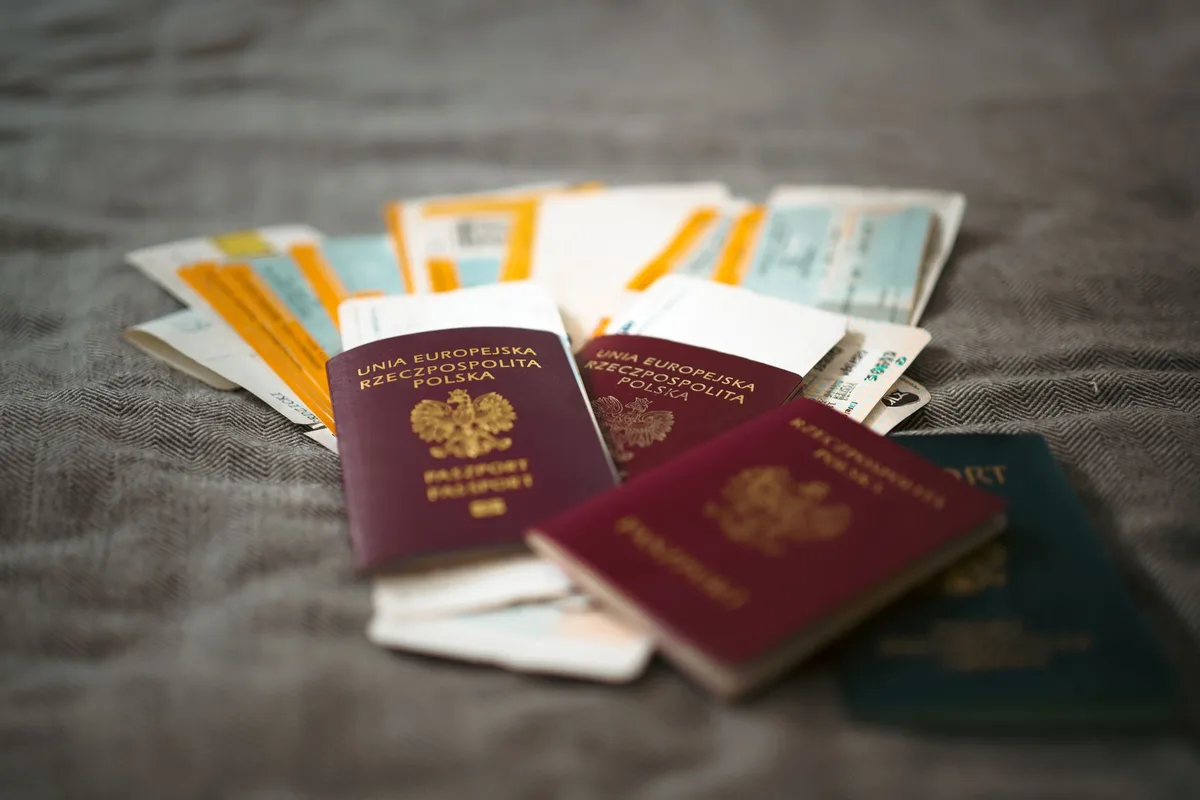
Do You Need a Visa for Your Dubai E-Commerce License?
You do not need a visa to hold a Dubai e-commerce license. A visa is only required if you plan to live in the UAE under your own company. Many free zones sell a zero-visa e-commerce package specifically for founders who run their store remotely or already hold residency through another sponsor.
A UAE residence visa tied to a company is a permit that lets a shareholder, partner, or employee legally live in the country while that business operates. It’s separate from the trade license itself. Per the UAE government’s mainland business steps guide, the license application moves through initial approval, trade name registration, and document submission — the visa process runs alongside these steps, not instead of them.
That’s the part beginners miss. The license and the visa move through different systems. You can finish one without touching the other, which is exactly how zero-visa packages exist.
What Do You Need Before Applying for a Visa on Your E-Commerce License?
Gather these before you contact your free zone or immigration typing center:
- A license with a visa in its quota, or confirmation that your free zone allows a mid-term upgrade
- A passport valid for at least six months from the visa application date
- A recent passport-size photo on a white background, meeting UAE photo specifications
- An entry permit, if you’re applying from outside the UAE (skip this if you’re already a resident doing a status change)
- A completed medical fitness test slot, booked through an approved government health center
- Budget set aside separately from the license fee for the Establishment Card, entry permit, medical test, and Emirates ID — these are visa-specific costs, not part of the license price. See our full Dubai e-commerce license cost breakdown if you haven’t priced the license itself yet.
How Many Visas Come With an E-Commerce License in Dubai?
Visa quotas scale with the license package, not the business type. Zero-visa free zone tiers exist specifically to keep entry costs low, while mid-tier and premium packages bundle one to several visas, based on published 2026 free zone rate cards.
Here’s how quota generally scales across common e-commerce license paths, based on our research into current free zone and mainland packages:
| License path | Typical visa quota | How additional visas are added |
|---|---|---|
| Free zone zero-visa package | 0 | Upgrade the package tier, usually tied to renting a flexi-desk |
| Free zone standard package (e.g. IFZA, Meydan, RAKEZ) | 1–2 | Add visas as the package tier increases |
| Dedicated e-commerce free zone (e.g. Dubai CommerCity) | 2 or more | Visa count scales with warehouse or office footprint |
| DET mainland license | No fixed quota | Each additional visa is generally tied to a minimum leased office space requirement — business-setup advisors commonly size this at roughly 80–100 square feet per visa, though the exact figure varies by department and can change |
Confirm the current quota rules directly with your chosen free zone or the Department of Economy and Tourism before budgeting. Packages and space requirements shift with promotions and policy updates.

How Do You Get a UAE Visa With Your E-Commerce License?
Once your license includes a visa in its quota, here’s the sequence that gets you from license holder to visa holder.
Step 1: Confirm Your Package Includes a Visa Slot
Before anything else, check your license package documentation for the visa quota. If you started with a zero-visa package and now want one, contact your free zone about upgrading — some require you to add a flexi-desk or physical office first, which changes your ongoing costs, not just a one-time fee.
Step 2: Apply for Your Establishment Card
The Establishment Card is your company’s immigration file. No individual visa can move forward without it. Your free zone or the Department of Economy and Tourism typically processes this application alongside your license, so ask specifically whether it’s included or needs a separate request.
Step 3: Apply for an Entry Permit or Status Change
If you’re outside the UAE, you apply for an entry permit, which lets you travel in specifically to complete the visa process. If you’re already inside the UAE on another valid visa or visit visa, you apply for a status change instead, which skips the need to exit and re-enter the country.
Trying to plan the full first-year cost of a licensed, visa-holding UAE store, not just this one step? Run your numbers through the Startup Cost Calculator. It’s free, takes about 10 minutes, and adds the visa, license, and platform costs most beginners forget to add up together.
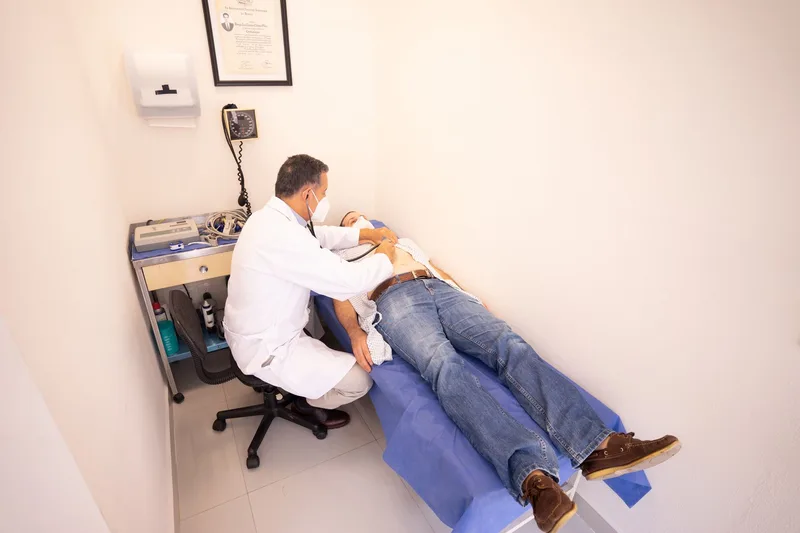
Step 4: Complete Your Medical Fitness Test
Once you’re in the UAE under the entry permit or status change, book a medical fitness test at an approved government health center. This is a standard screening required for UAE residence visas and typically needs to happen within a set window after your entry permit is issued, so book it early rather than leaving it until the deadline.
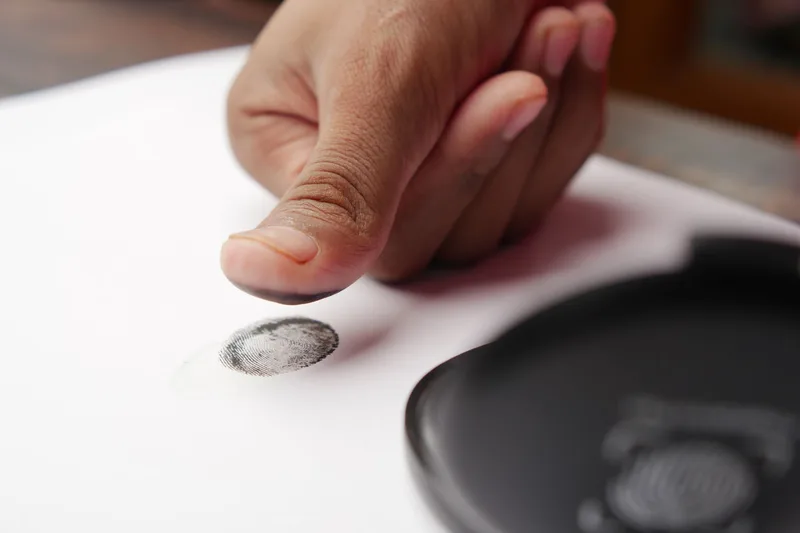
Step 5: Apply for Your Emirates ID
After the medical test clears, you register biometrics and apply for your Emirates ID through the Federal Authority for Identity, Citizenship, Customs & Border Security (ICP). This ID card is mandatory for every UAE resident and gets used constantly afterward, from opening a bank account to signing a tenancy contract.
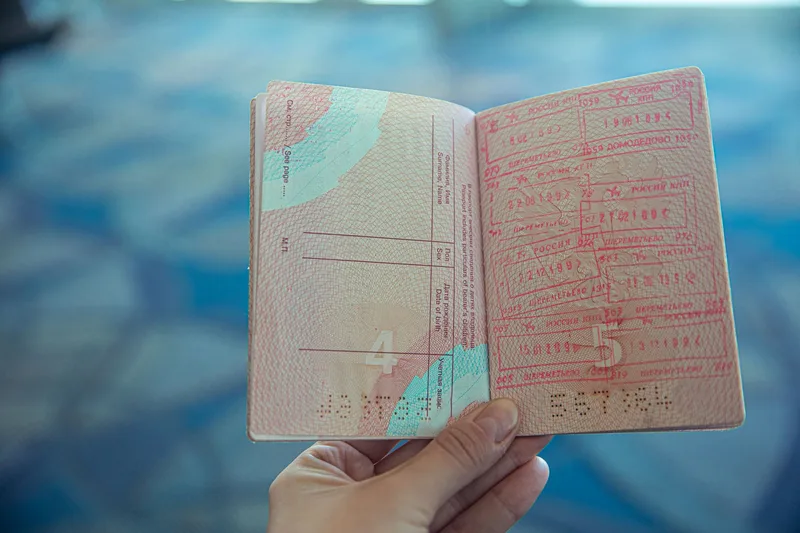
Step 6: Get Your Visa Stamped in Your Passport
The final step is visa stamping, done once your Emirates ID application and medical clearance are both processed. This stamp is what makes your UAE residency official. Keep a scanned copy of the stamped page; banks and payment providers will ask for it when you open your business accounts.
Step 7: Diarize Your Renewal Date
UAE residence visas are typically valid for a set multi-year term tied to your license type and package, not indefinitely. Mark the expiry date the moment your visa is stamped. Letting it lapse doesn’t just affect you personally, it can also flag your company’s Establishment Card for compliance review.
What Mistakes Do Beginners Make With E-Commerce License Visas?
- Picking a zero-visa package to save money, then needing a desk upgrade anyway. Some free zones only unlock visa upgrades once you rent physical space, which adds a recurring cost you didn’t originally budget for.
- Booking the medical test too late. Missing the window after entry permit issuance can force you to restart parts of the process.
- Forgetting dependent visas need separate budgets. A spouse or child visa is a distinct application with its own fees and steps, not an add-on to your own.
- Assuming mainland and free zone visa processes are identical. Mainland visa quotas tie to leased office space in a way most free zone packages don’t, per the UAE government’s mainland business steps guide.
- Letting the entry permit expire before traveling. Entry permits have a fixed validity window; missing it usually means reapplying from the start.
Frequently Asked Questions
Do I need a UAE visa to get an e-commerce license?
No. Most free zones sell a zero-visa e-commerce package for founders who plan to run the store remotely or already hold another UAE visa. If you want to live in the UAE under your own company, you add a visa quota when you choose your license package, and that visa follows its own application steps.
How long does it take to get a UAE visa with an e-commerce license?
Once your Establishment Card is issued, the visa steps (entry permit, medical test, Emirates ID, stamping) typically take two to four weeks if you’re already inside the UAE. Applying from abroad adds time for entry permit processing and travel before the in-country steps can start.
Can I add a visa to my e-commerce license later?
Usually yes. Most free zones let you upgrade a zero-visa package to a one- or two-visa package, though some require a specific office or flexi-desk tier before they approve the upgrade. Confirm the upgrade path and any added desk-space requirement with your free zone before you commit to a starter package.
What is an Establishment Card and do I need one?
An Establishment Card is the company-level immigration file that must exist before any visa can be processed under your license. You need one the moment you or an employee wants a UAE residence visa tied to the company, even if your license itself started as a zero-visa package.
Ready to Turn Your License Into a Real Visa?
The license gets you the right to sell. The visa is what lets you actually live where you sell. Price both together before you commit to a package, not one at a time.
Run your full first-year numbers through the Startup Cost Calculator so the visa fees don’t surprise you after the license is already paid for.
Ten minutes with a calculator now beats discovering a visa upgrade fee three months in.
Keep Reading
- See the full Dubai e-commerce license cost breakdown for mainland vs free zone pricing.
- Follow the complete UAE startup sequence for what comes before and after your visa.
- Compare the best ecommerce platforms in the UAE once your license and visa are sorted.
- Read what selling on Noon actually requires if you’re deciding between a marketplace and your own store.
Sources: Federal Authority for Identity, Citizenship, Customs & Border Security (ICP) and UAE government mainland business steps, accessed September 2026. Visa quota and space-requirement figures reflect published 2026 free zone packages and commonly cited business-setup advisor estimates; confirm current rules directly with your chosen free zone or licensing authority before budgeting.